Back

The most appropriate and effective methods for separating wild boar populations and limiting the spread of African Swine Fever (ASF)

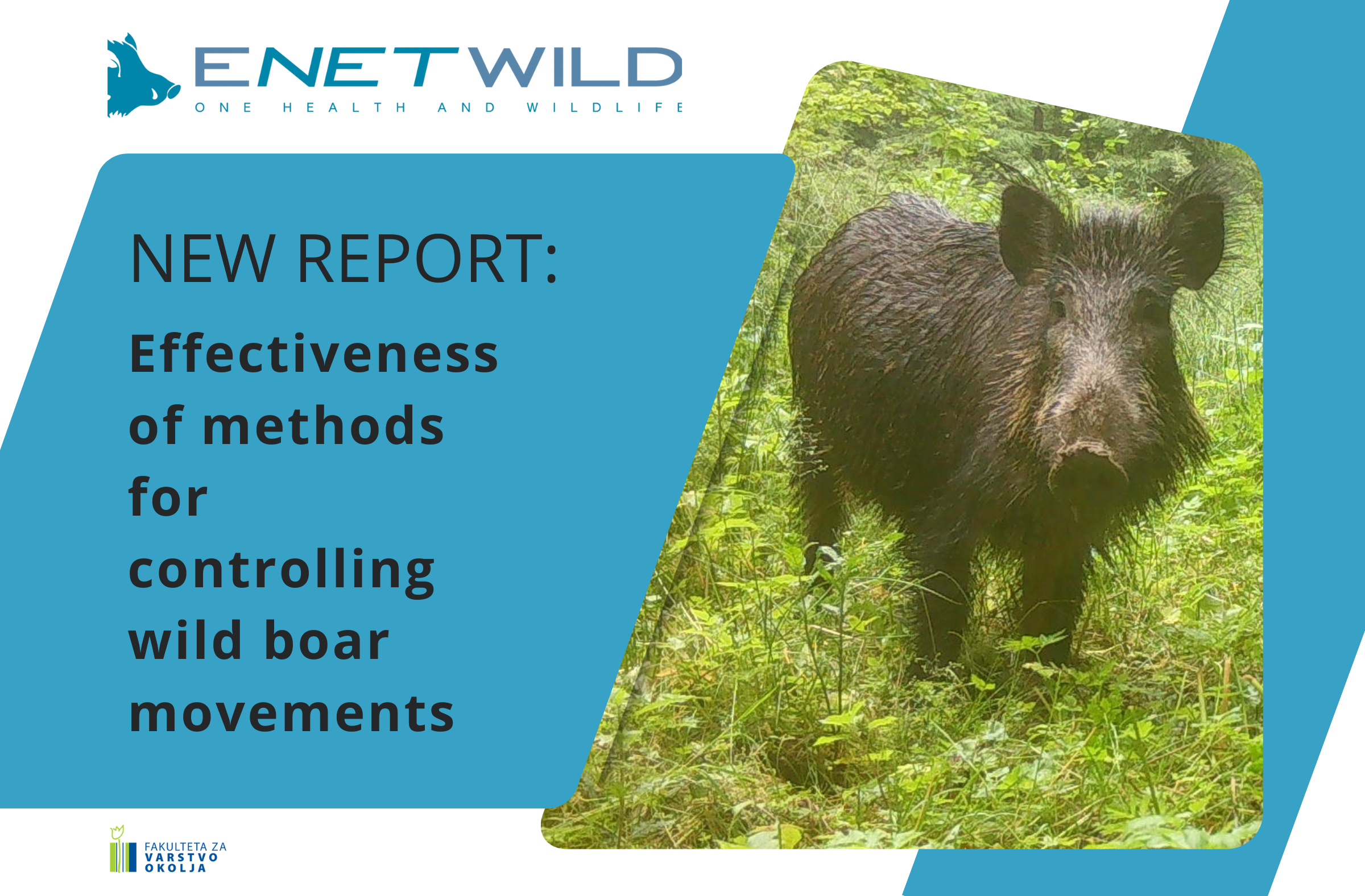
The European Food Safety Authority (EFSA) has published a report on the most effective methods to limit the movement of wild boars, which will make an important contribution to improving control strategies and reducing the spread of African swine fever (ASF) in Europe. The preparation of the report “Effectiveness of methods for controlling wild boar movements” was led by researchers from the Faculty of Environmental Protection (Dr Boštjan Pokorny, Zarja Platovšek, Dr Samar Al Sayegh Petkovšek, Katja Črnec and Dr Elena Bužan) within the large international network ENETWILD, with the participation of some other colleagues from Slovenia (Luka Duniš from UP FAMNIT and Dr Matija Stergar from ZGS).

In Europe, wild boars are the main transmitters of ASF (besides humans) and it is therefore essential to adopt strategies and measures to control disease transmission, including the separation of populations. Through a systematic analysis of the scientific literature and field experience obtained by questionnaires distributed to many experts across Europe, the researchers obtained information on the impact and feasibility of using different barriers to restrict the movement of wild boars. The report provides new insights into the effectiveness of different methods such as fencing (mechanical, electric), the incorporation of natural and anthropogenic barriers (rivers, lakes, settlements, highways, border fences) and deterrents (chemical, light, sound), and also discusses the most important factors influencing the effectiveness of these methods.

The report will help decision-makers choose the most applicable and cost-effective measures in various situations, taking into account epidemiological, ecological and societal factors.

The full report is publicly available HERE.

Najbolj primerne in učinkovite metode za ločevanje populacij divjih prašičev ter omejevanje širjenja afriške prašičje kuge

Evropska agencija za varnost hrane (EFSA) je objavila poročilo o najbolj učinkovitih metodah za omejevanje gibanja divjih prašičev, kar bo pomembno prispevalo k izboljšanju strategij za nadzor in upočasnitev širjenja afriške prašičje kuge (APK) v Evropi. Pripravo poročila z naslovom »Effectiveness of methods for controlling wild boar movements« so v okviru velike mednarodne mreže ENETWILD vodili raziskovalci Fakultete za varstvo okolja (dr. Boštjan Pokorny, Zarja Platovšek, dr. Samar Al Sayegh Petkovšek, Katja Črnec in dr. Elena Bužan), sodelovali so tudi nekateri drugi kolegi iz Slovenije (Luka Duniš z UP FAMNIT in dr. Matija Stergar z ZGS).

V Evropi so divji prašiči (poleg ljudi) glavni prenašalci APK, zato je nujno sprejeti strategije in ukrepe za nadzor prenosa bolezni, vključno z ločevanjem populacij. S sistematično analizo znanstvene literature in terenskih izkušenj, pridobljenih z vprašalniki, ki so bili razdeljeni mnogim strokovnjakom po Evropi, so raziskovalci pridobili podatke o vplivu in smiselnosti uporabe različnih barier na omejevanje gibanja divjih prašičev. Poročilo prinaša nova spoznanja o uporabnosti različnih metod, kot so ograje (mehanske, električne), vključevanje naravnih in antropogenih ovir (reke, jezera, naselja, avtoceste, obmejne ograje) ter odvračala (kemična, svetlobna, zvočna), obravnava pa tudi najpomembnejše dejavnike, ki vplivajo na učinkovitost teh metod.

Poročilo bo odločevalcem pomagalo izbrati najbolj izvedljive in stroškovno učinkovite ukrepe v različnih situacijah ob upoštevanju epidemioloških, ekoloških ter družbenih dejavnikov.

Poročilo je v celoti prosto dostopno TUKAJ.