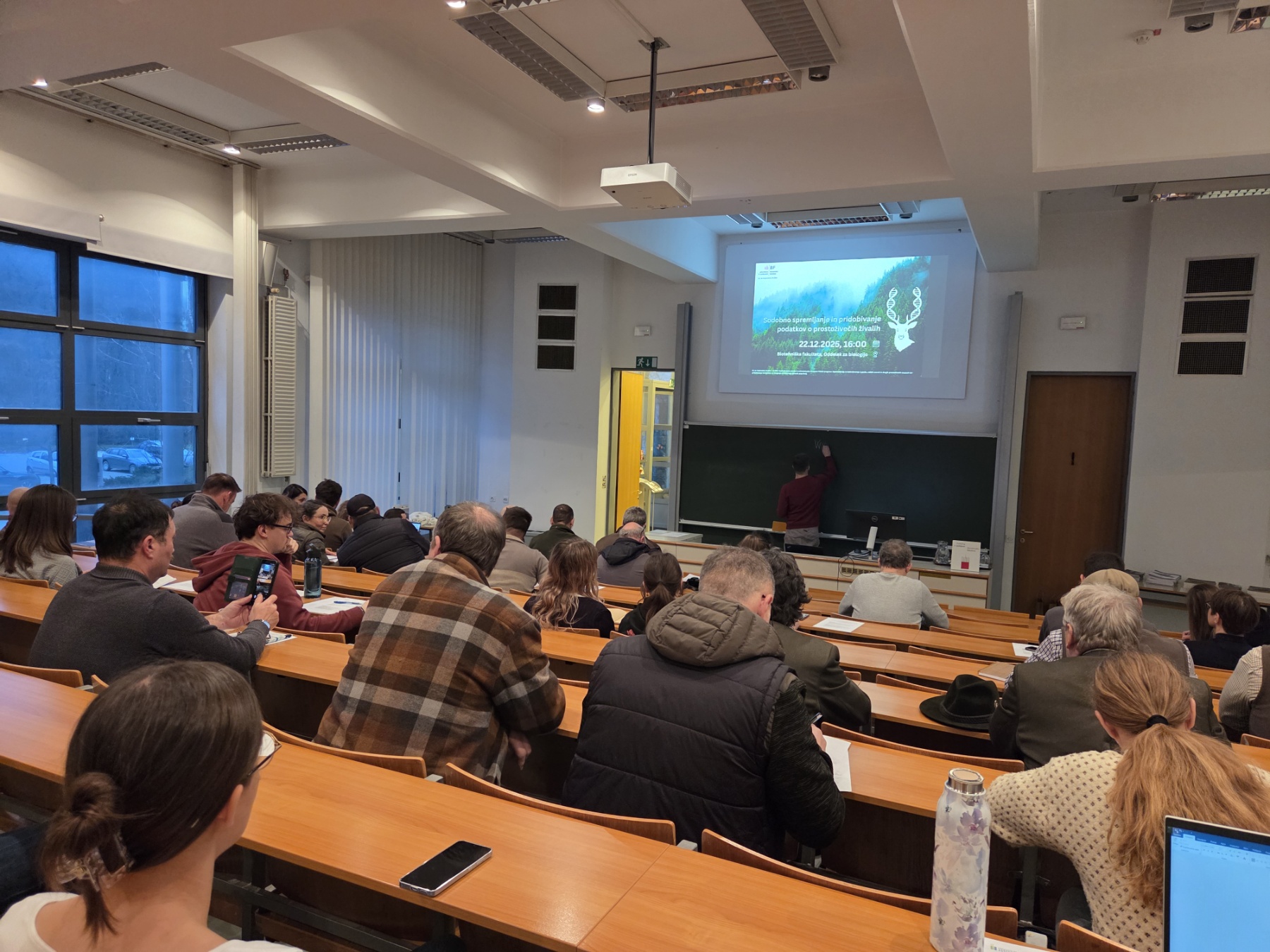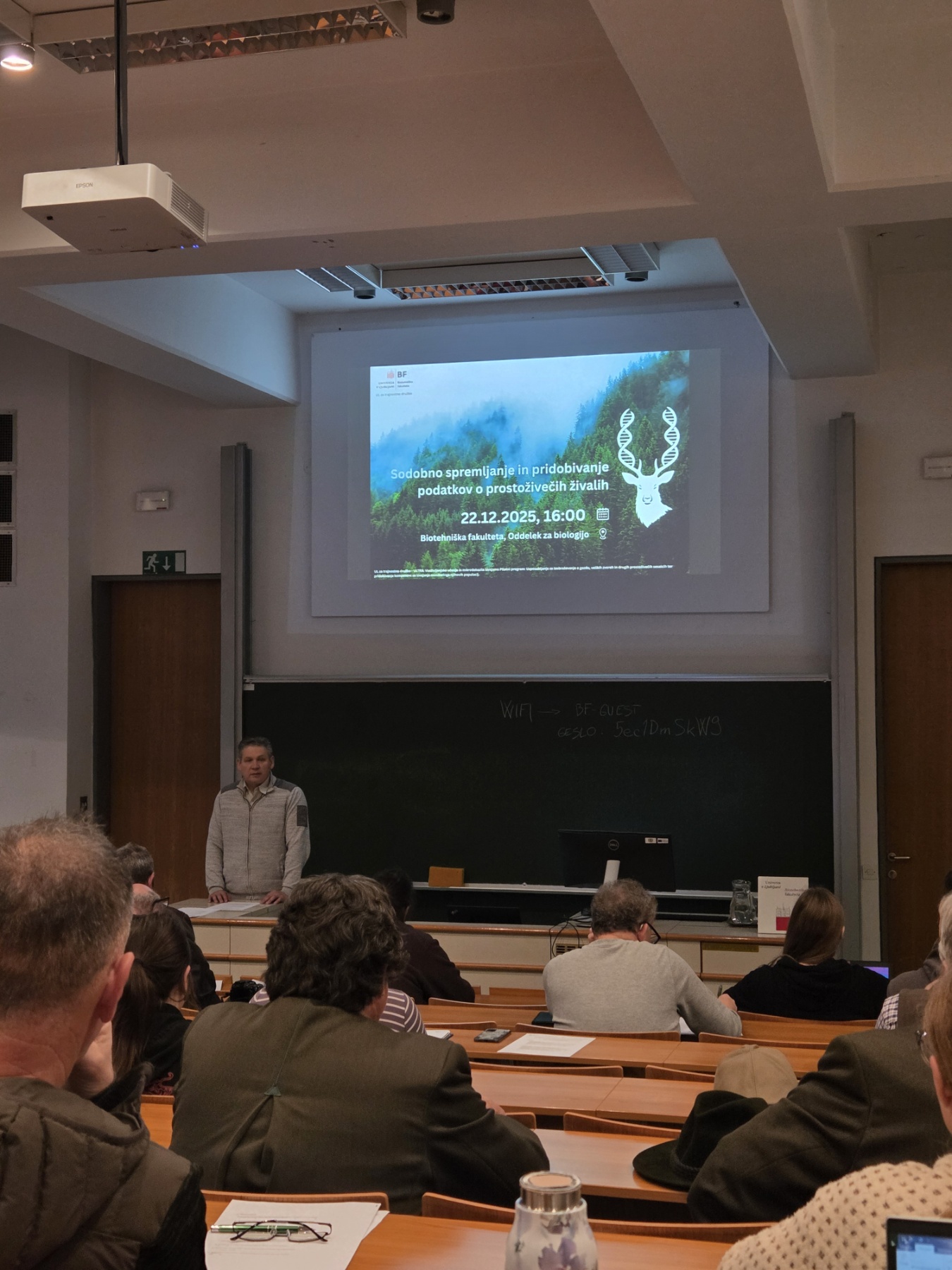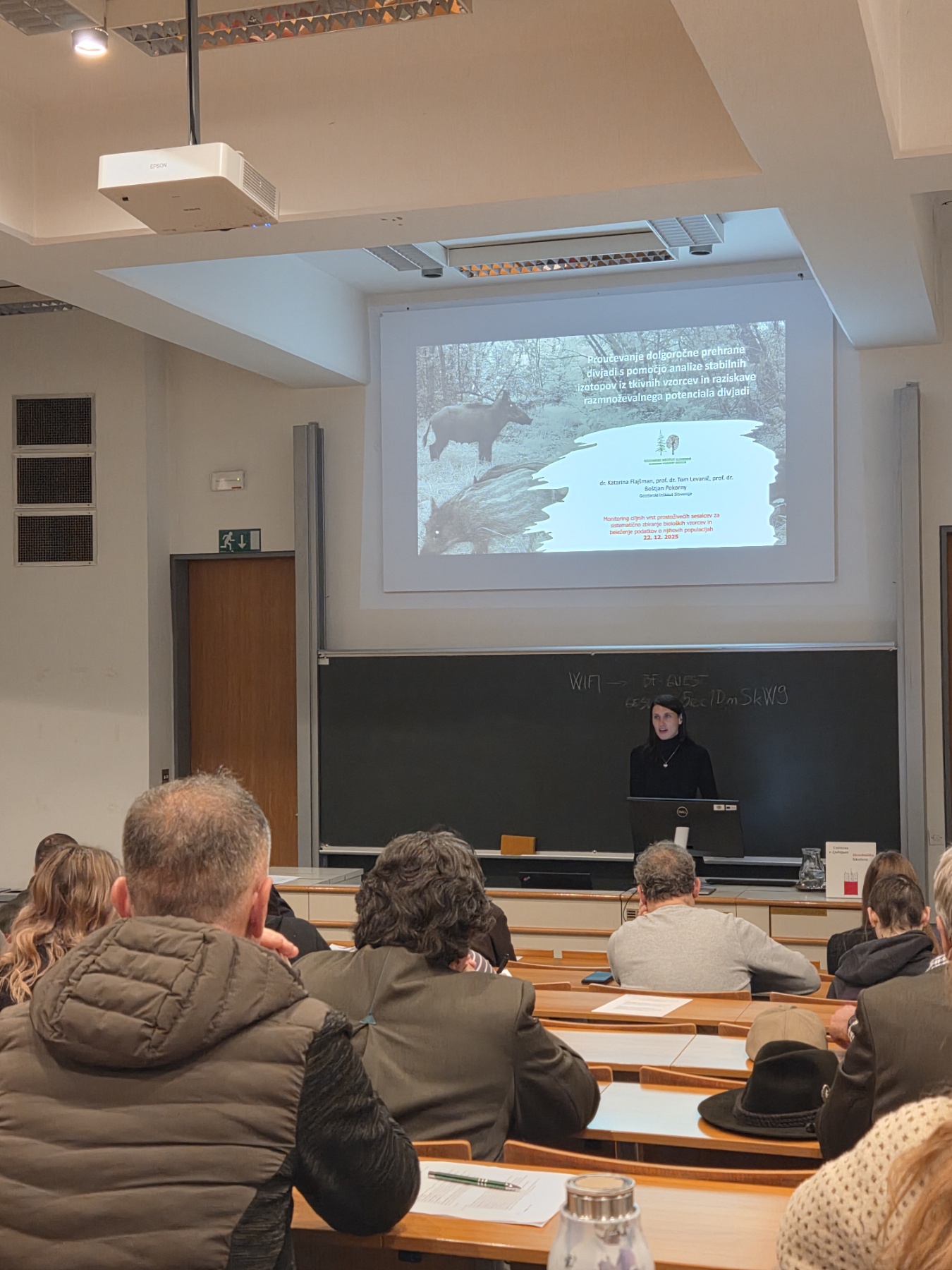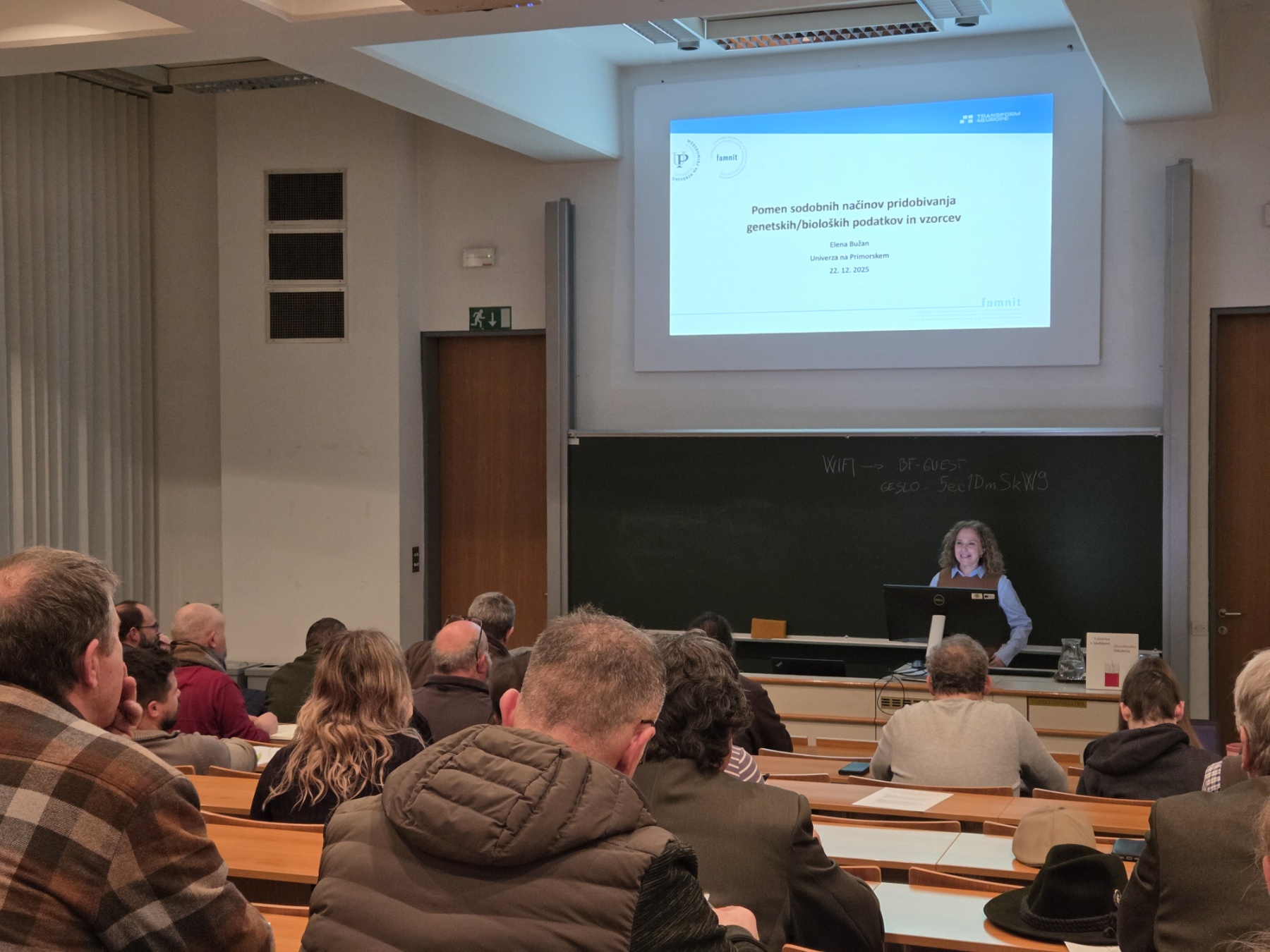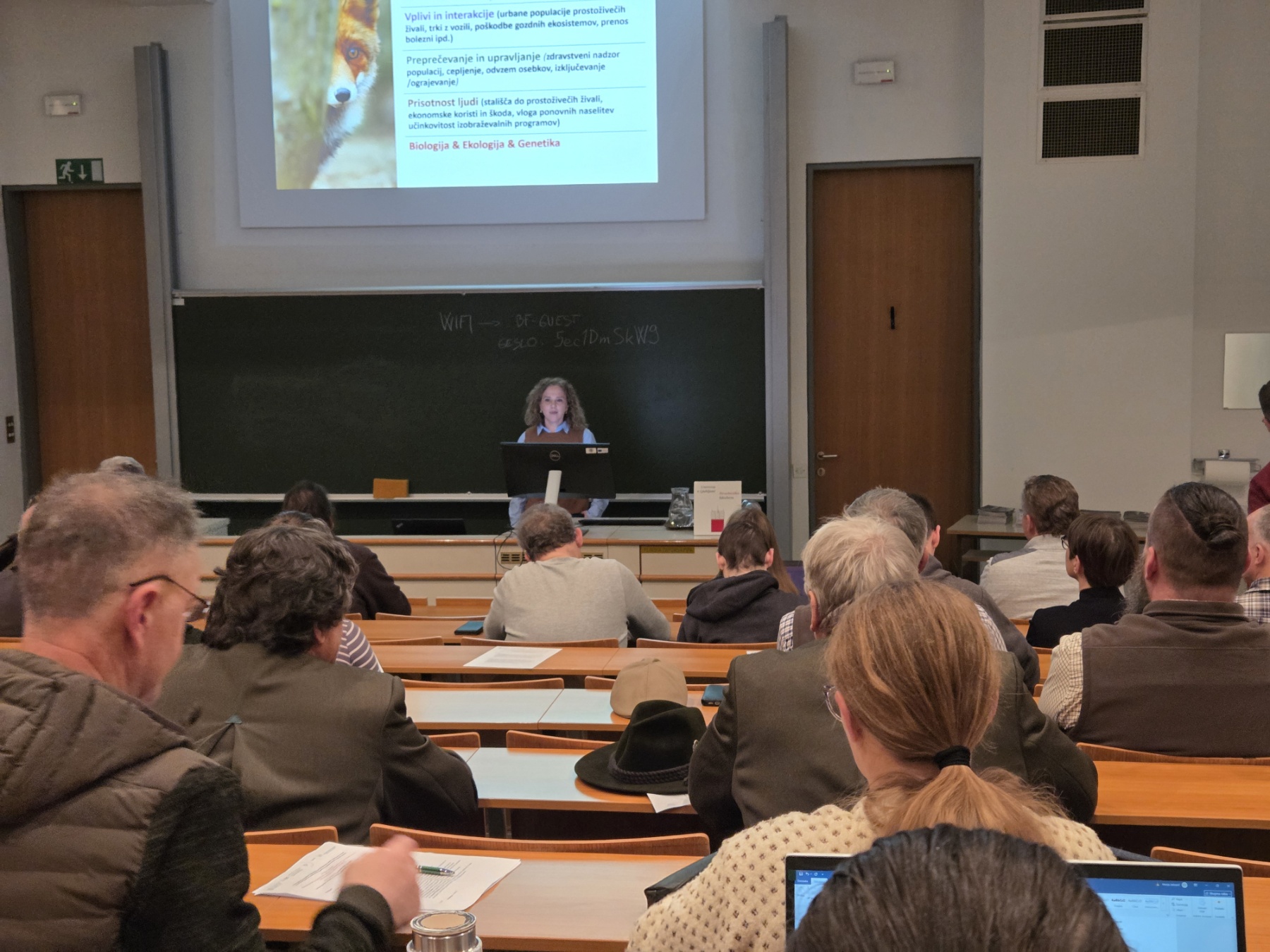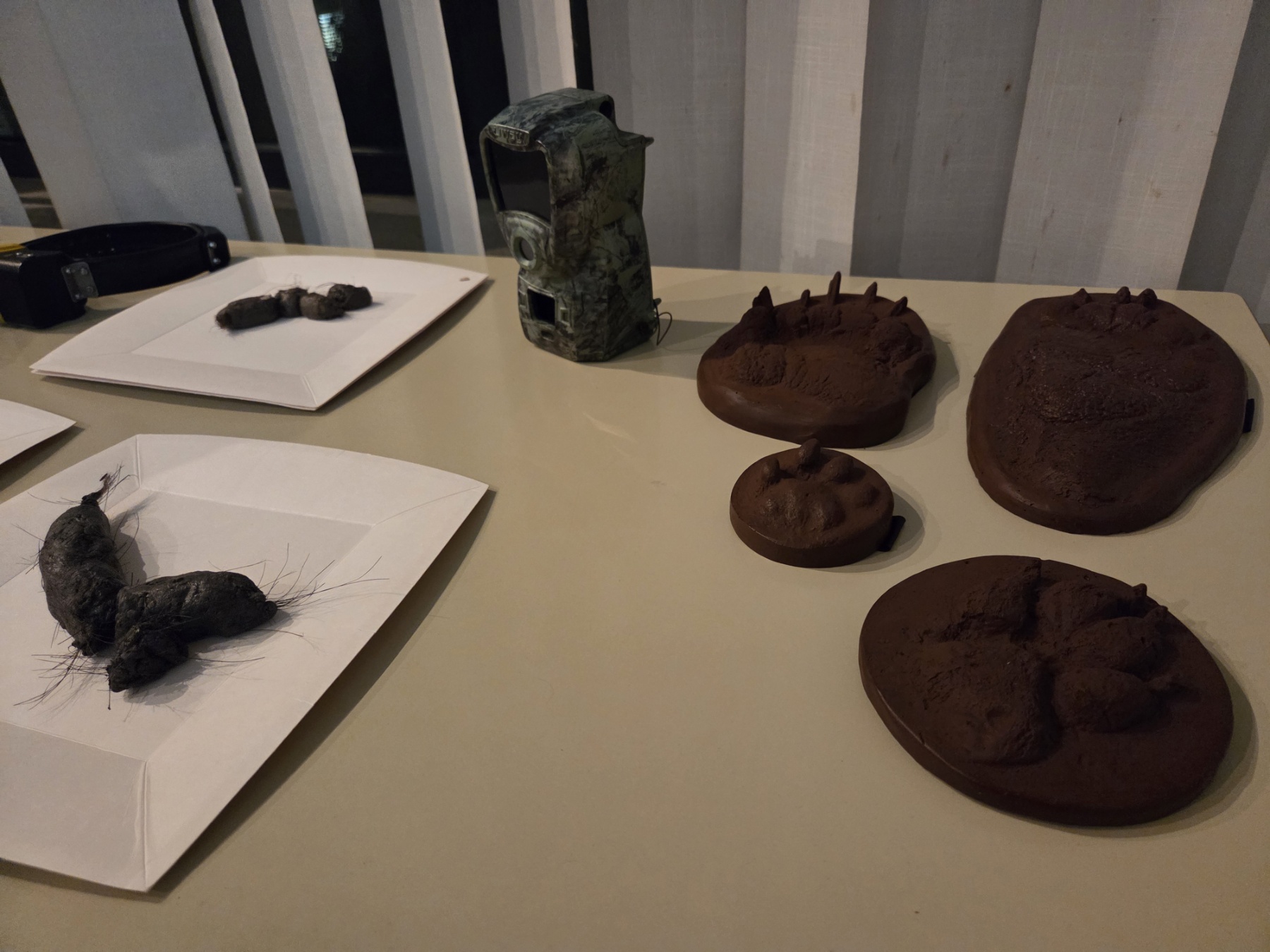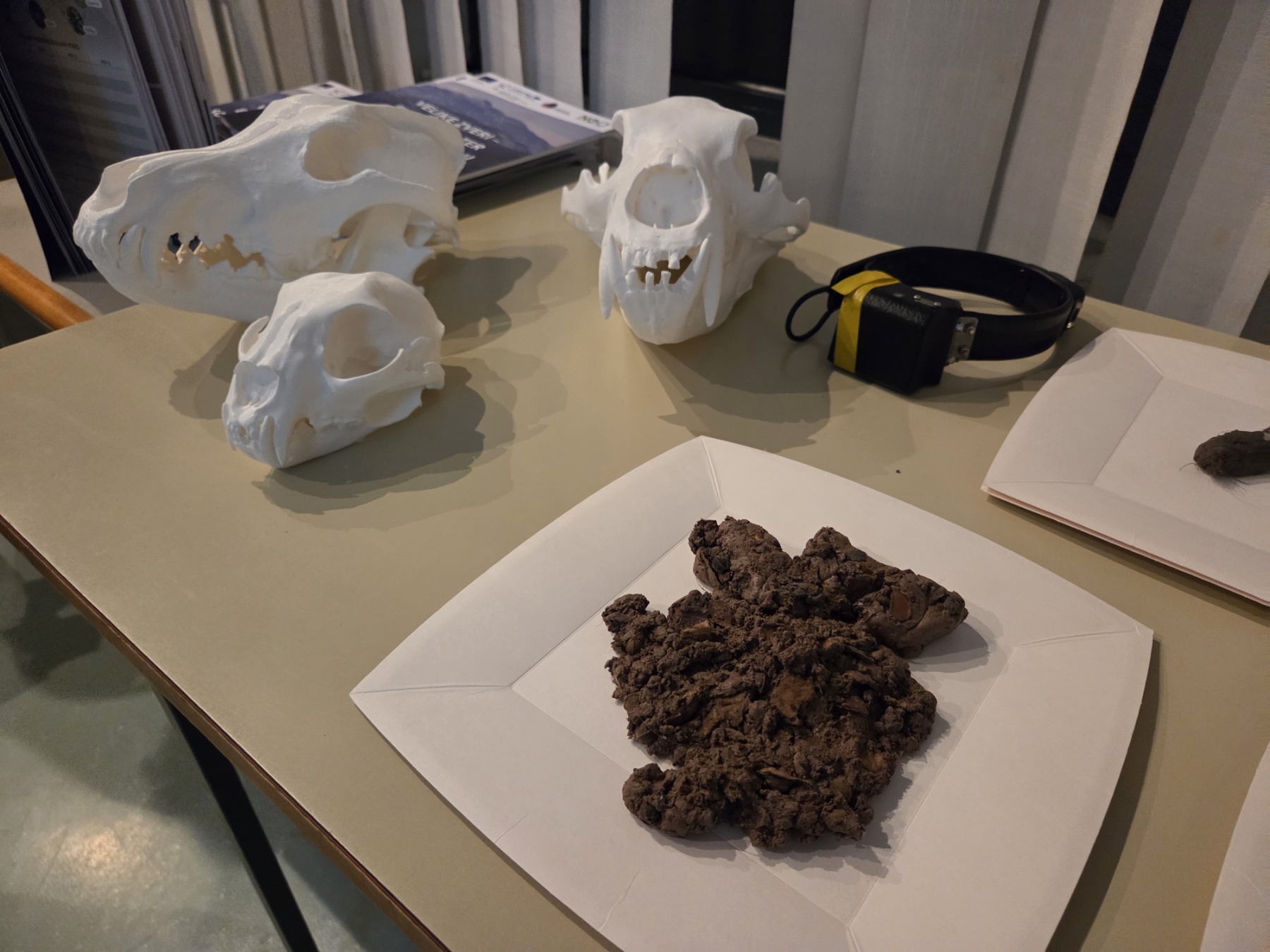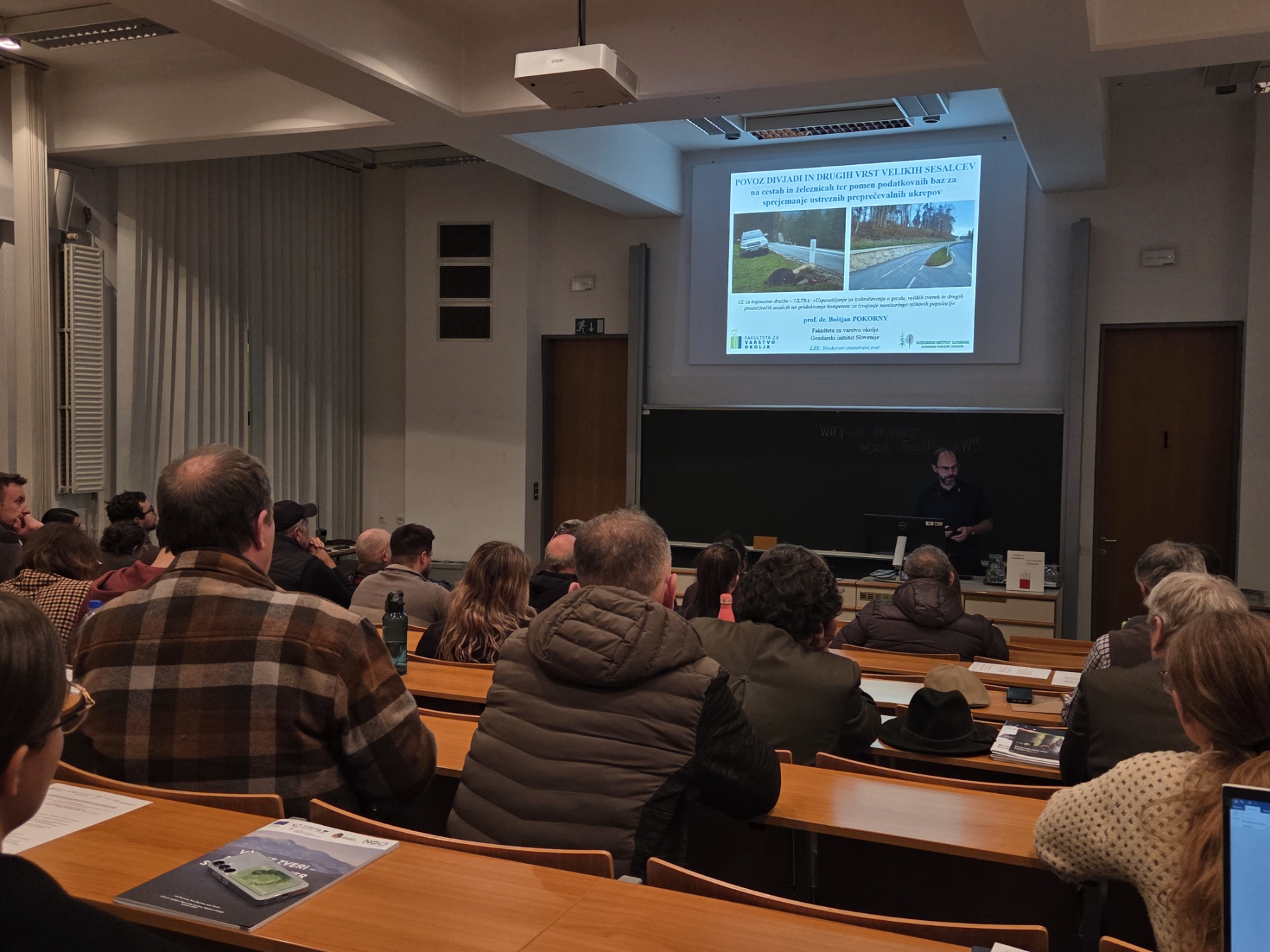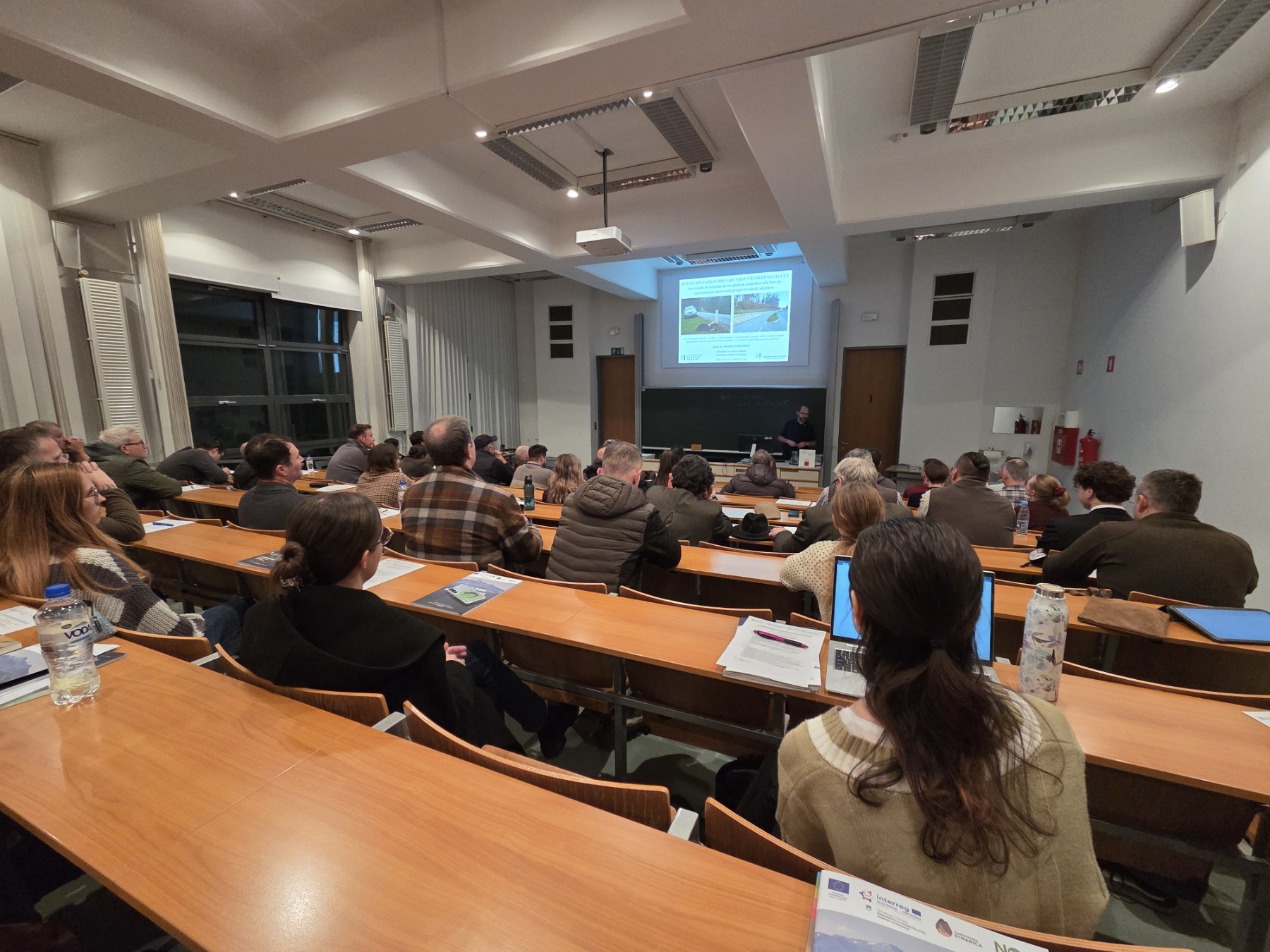
On Monday, 22 December 2025, the Department of Biology at the Biotechnical Faculty, University of Ljubljana, hosted a professional seminar titled Monitoring of Target Wild Mammal Species for Systematic Collection of Biological Samples and Recording of Population Data, organized within the framework of the University of Ljubljana’s programme for a sustainable society – ULTRA (UL for Sustainable Society – ULTRA). The event was co-organized by the Biotechnical Faculty and the Faculty of Environmental Protection (FVO), bringing together researchers, students, hunters, nature conservation experts, and members of the interested public.
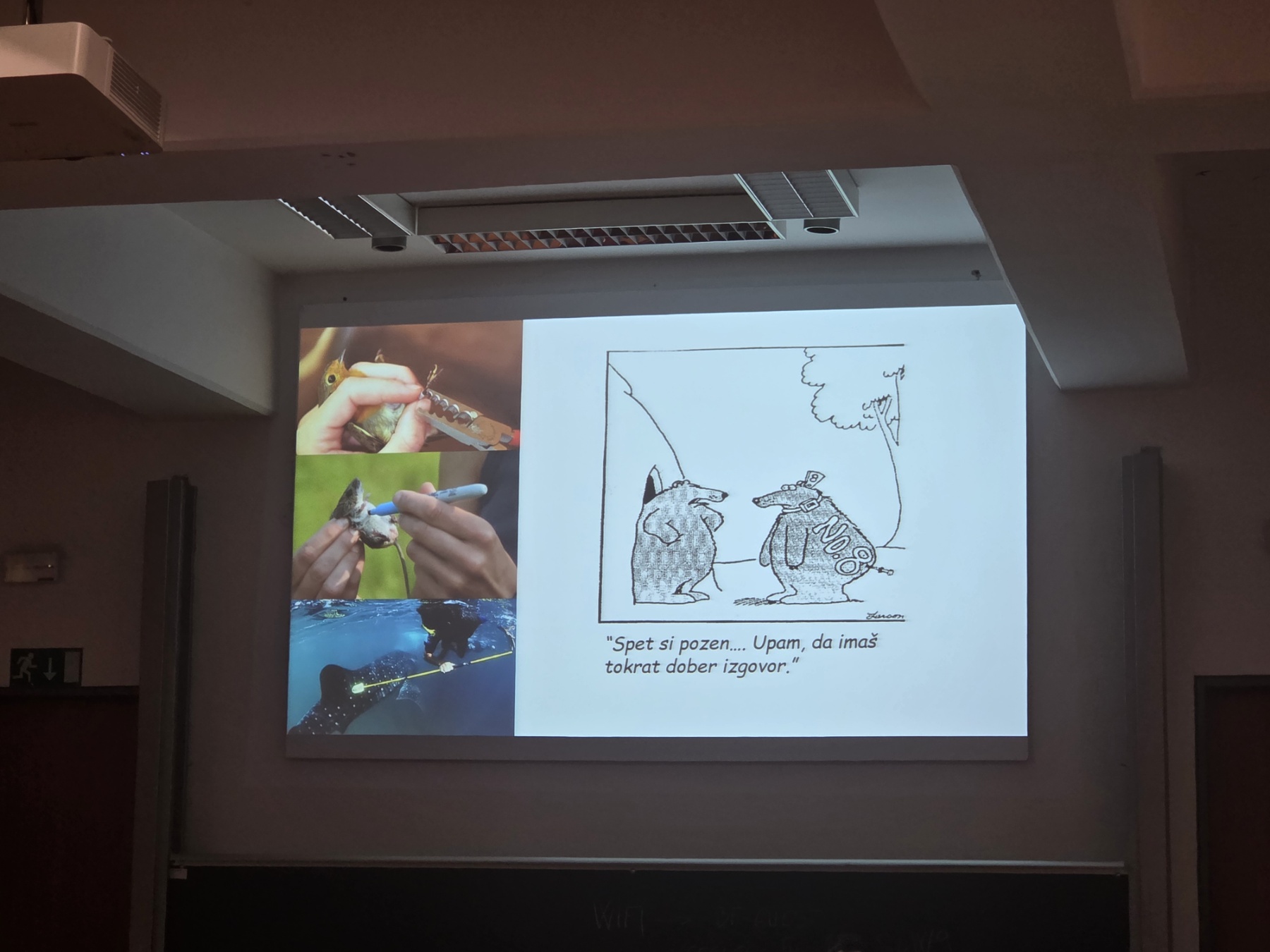
The main objective of the seminar was to highlight the importance of involving citizen scientists in conservation research and to introduce participants to modern approaches for wildlife monitoring in terrestrial ecosystems. Attendees gained insight into the use of web-based and mobile applications for species occurrence recording, camera-trap photo monitoring, non-invasive genetic sampling, the role of biological samples in studies of ecological traits and population health, protocols and standards for collection and handling of (genetic) samples, as well as the fundamentals of acoustic monitoring.
A major contribution to the programme came from FVO staff members, who delivered five presentations focusing on ongoing research and practical aspects of data application in wildlife conservation and population management.
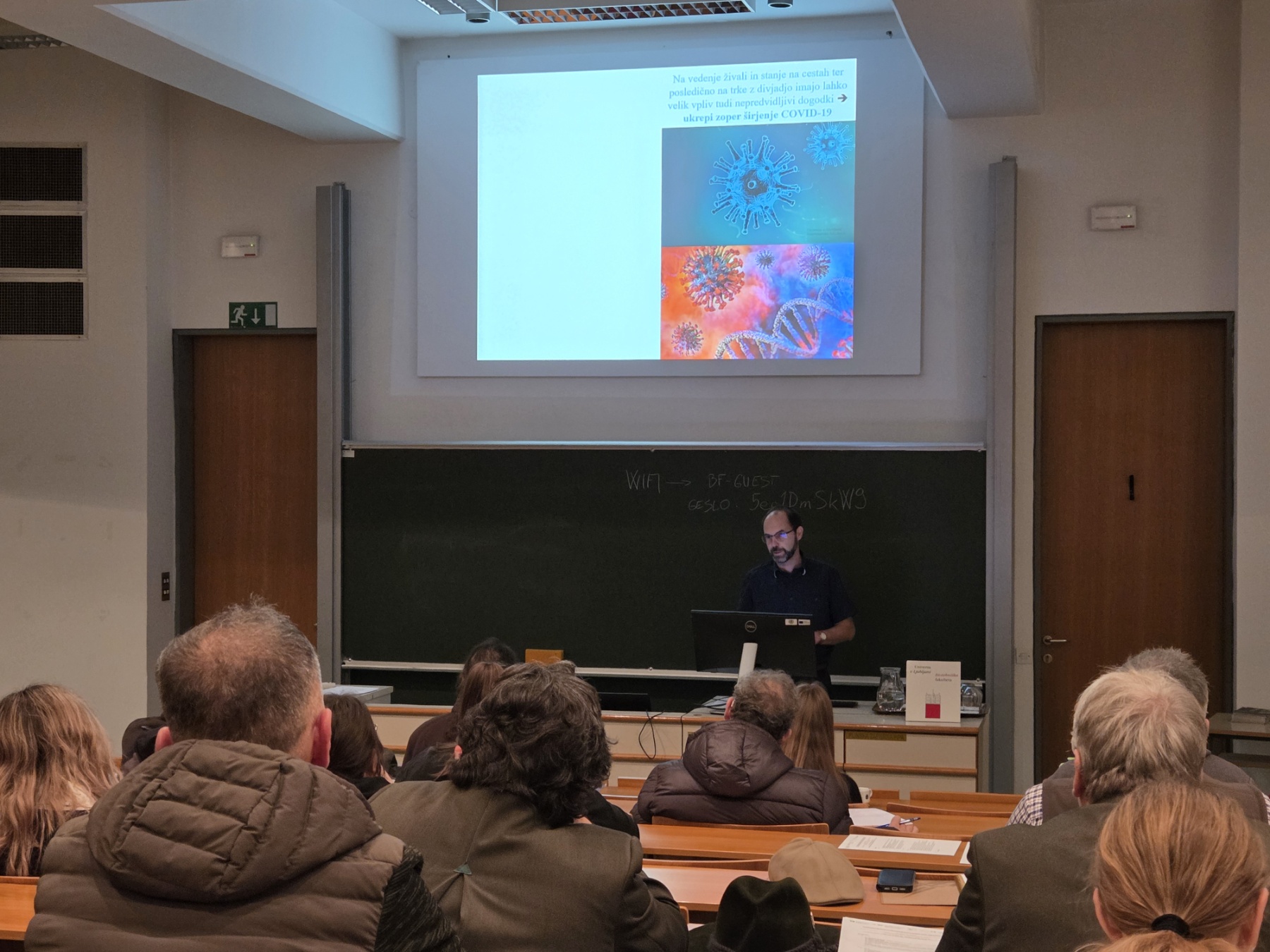
Prof. Dr. Boštjan Pokorny emphasized the crucial role of data repositories in understanding and addressing wildlife-vehicle collisions involving game species and other large mammals. He also pointed to the significant potential of systematic collection and analysis of harvested game biological samples for evidence-based population management.
Prof. Dr. Elena Bužan highlighted the value of advanced genetic and genomic tools in the conservation and sustainable management of terrestrial mammals, presenting standardized protocols for sample collection, storage, and transport for high-level genetic research.
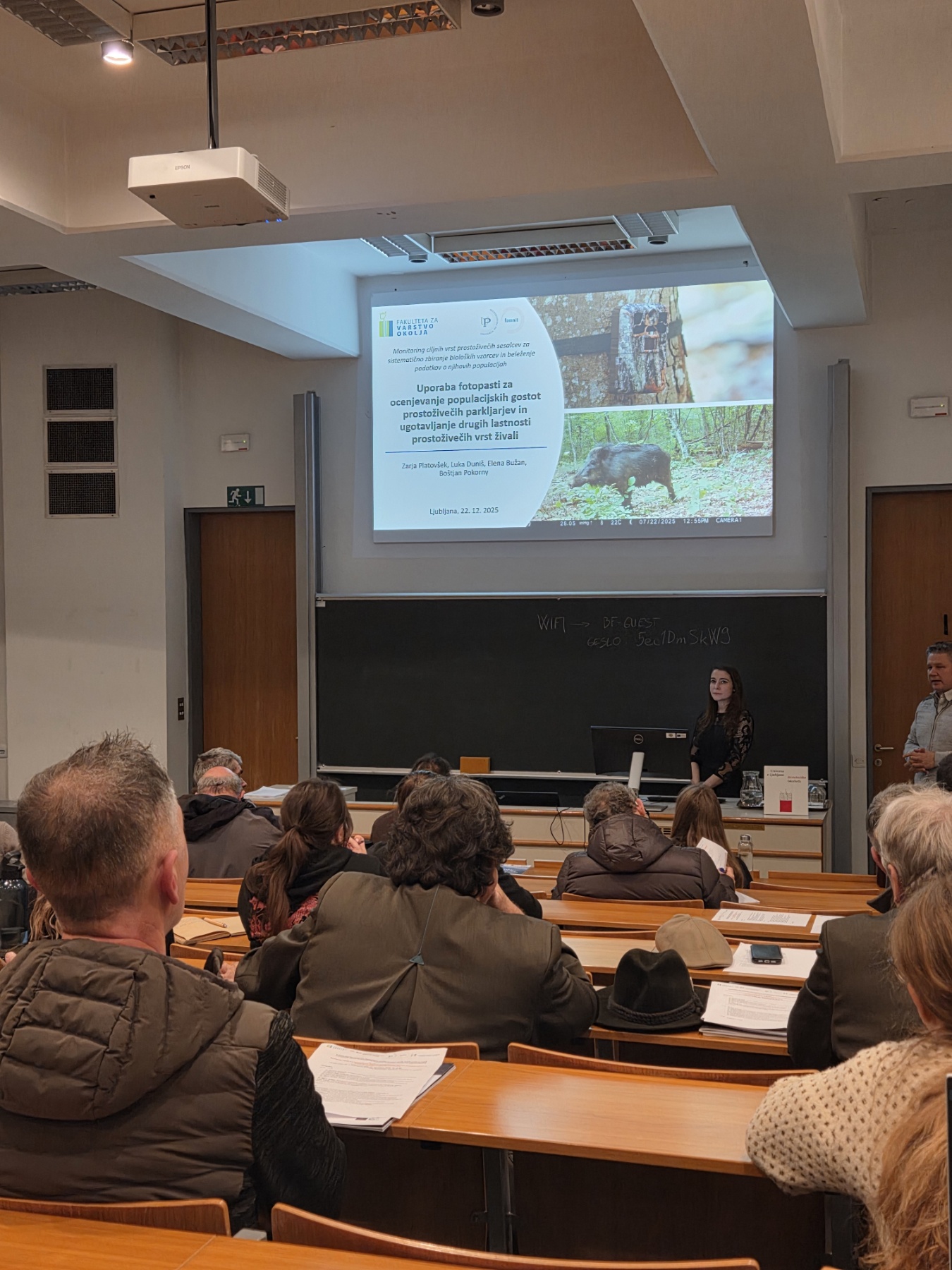
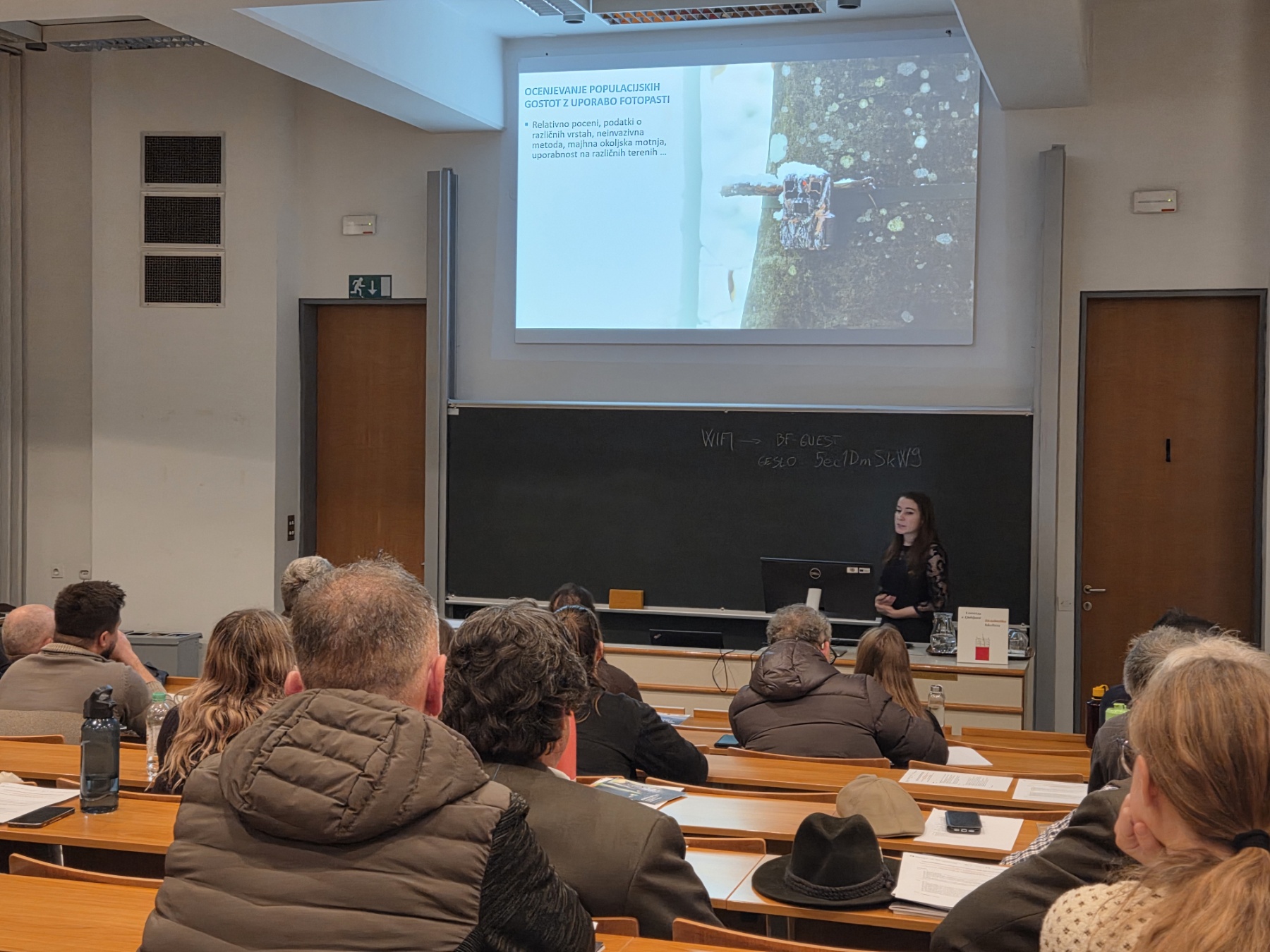
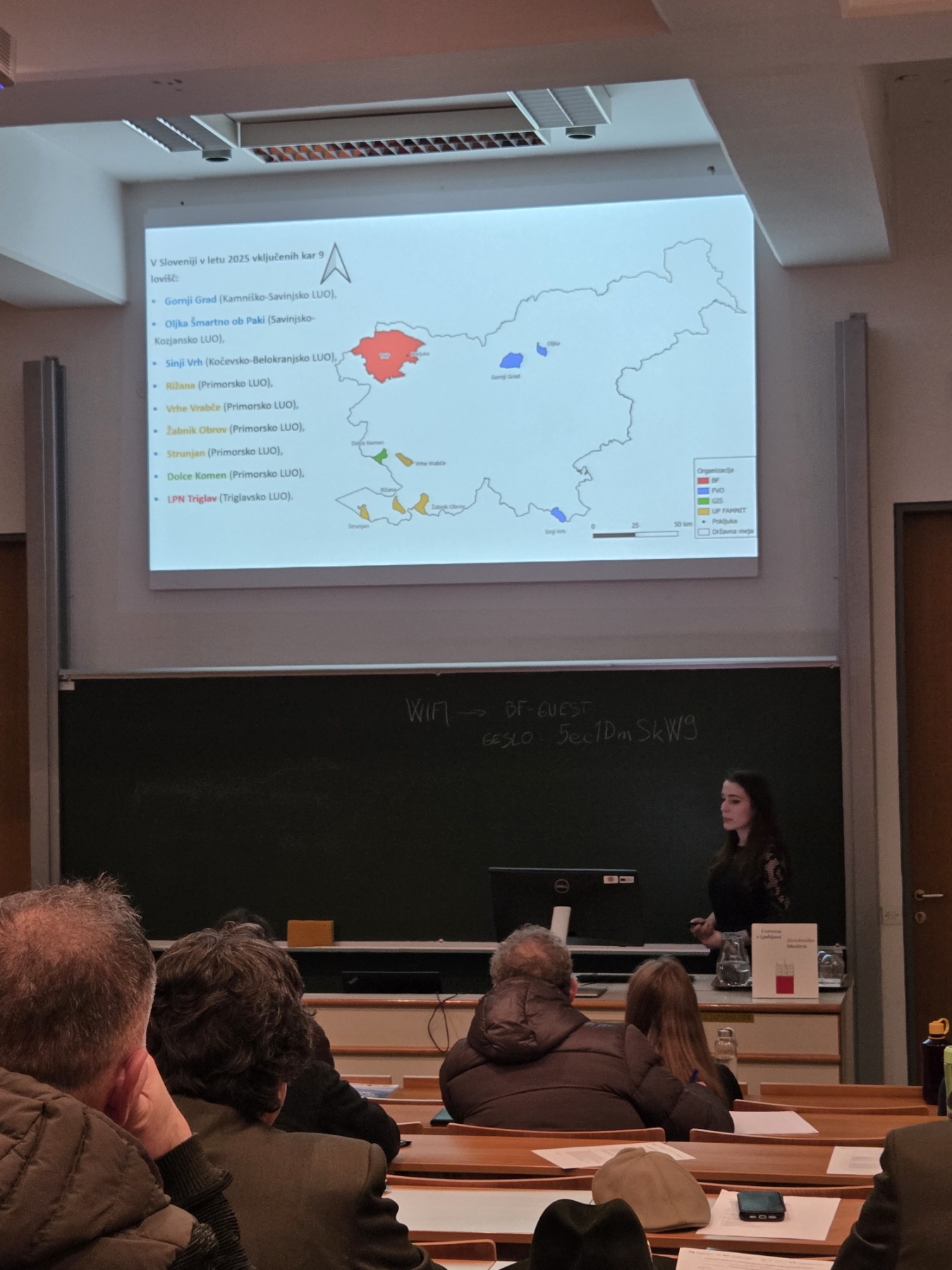
Zarja Platovšek presented the use of camera traps as an effective method for estimating population densities of wild ungulates and for obtaining complementary information on their behaviour, health status, and demographic characteristics.
Upon completion, participants received a certificate (micro-credential) confirming the knowledge and skills acquired. The seminar played an important role in strengthening connections between researchers and the general public, and in promoting the role of citizen science and amateur scientists in nature conservation.
Some of the FVO-presented content was developed within the international research projects Big_Picture (Biodiversa programme), European Observatory of Wildlife (Enetwild network), and WEAVE (SI–PL) N1-0281, funded by the Slovenian Research and Innovation Agency (ARIS) through ARIS (formerly ARIS/ARRS) financing under project code N1-0281, supported by ARIS.