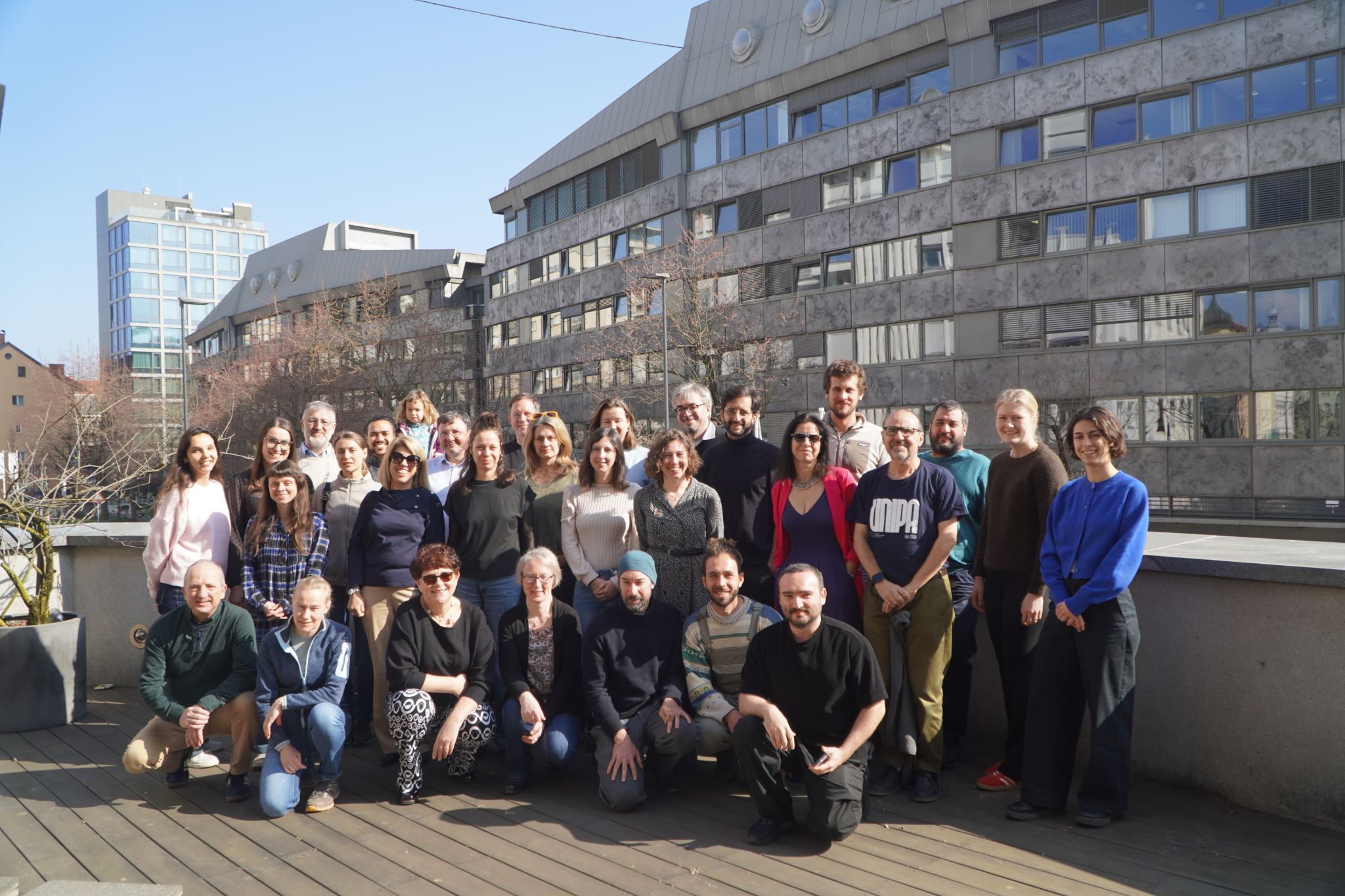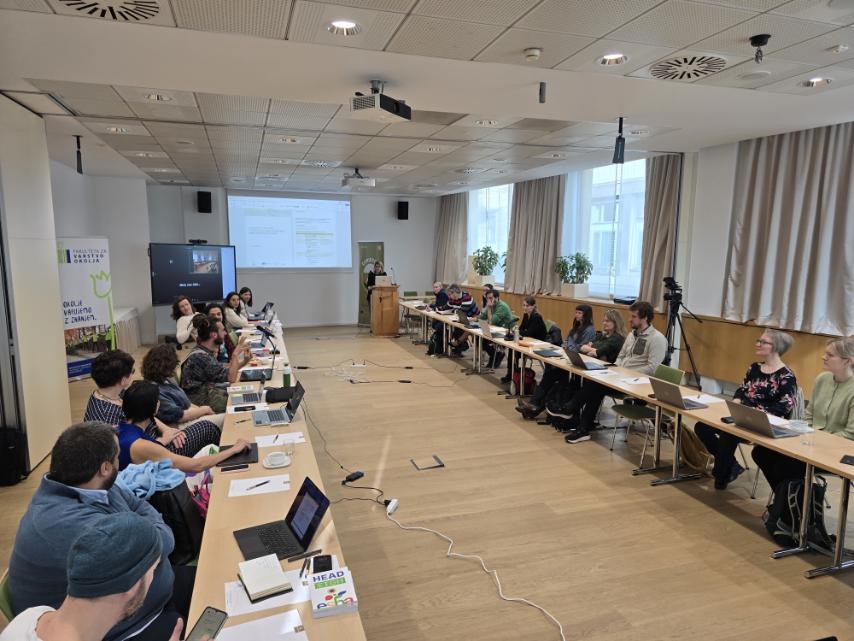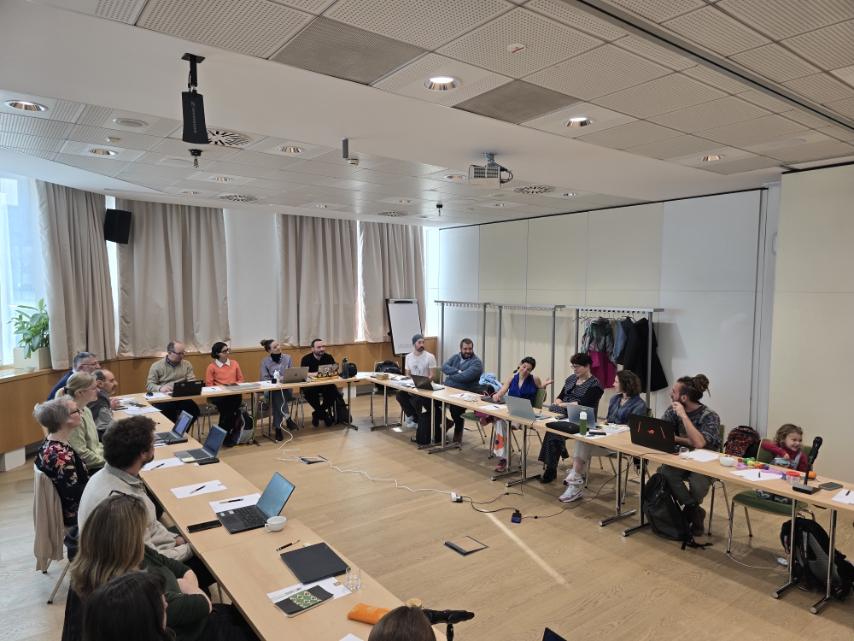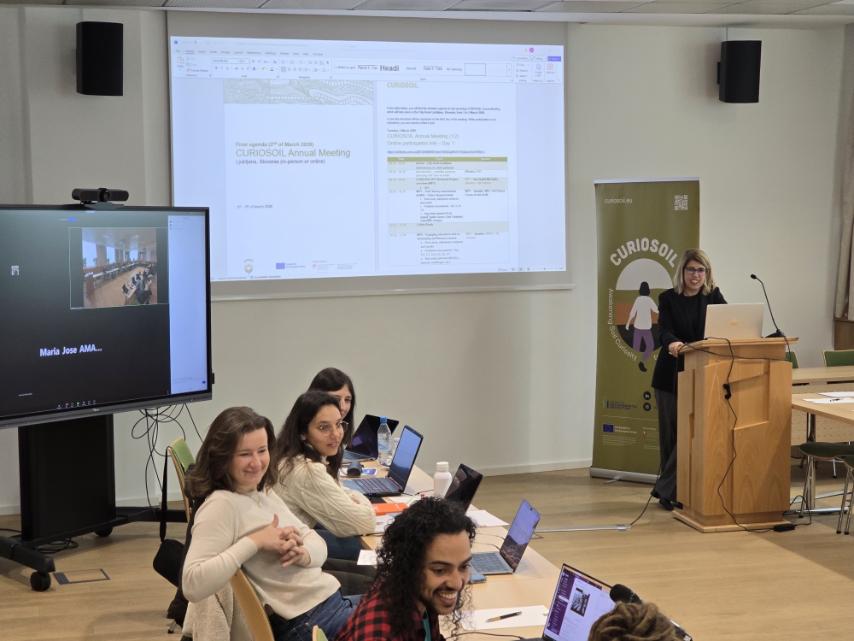
From 3 to 5 March 2026, an international project meeting of the European research project CURIOSOIL took place in Ljubljana. The project is funded under the Horizon Europe programme and is marking its second year of implementation. The meeting was organized by the Faculty of Environmental Protection from Velenje and brought together project partners from several European research and academic institutions.
CURIOSOIL is dedicated to research and awareness-raising on the importance of soils. It brings together 14 research, educational, and professional institutions from ten European countries. The project aims to increase awareness of the importance of soils, enrich curricula with soil-related content at all levels of education, and develop new methods, tools, and materials for soil education. The Faculty of Environmental Protection is one of the project partners, providing Slovenia with access to European knowledge and good practices in the field of soil protection.
The first two days of the meeting were devoted to reviewing the project’s progress to date. Partners presented the activities already carried out, analyzed the milestones achieved, and discussed the next steps. Key achievements include the first analysis of soil-related educational needs across different European countries, the development of the Soil Literacy Assessment Framework, and the preparation of multisensory educational approaches and tools במסגרת the Soil Curiosity Kit. The meeting also served to coordinate activities and plan the next phases of work. At present, the partners are intensively preparing a mobile application, the first edition of a Massive Open Online Course (MOOC) for tertiary education, and an interactive exhibition.
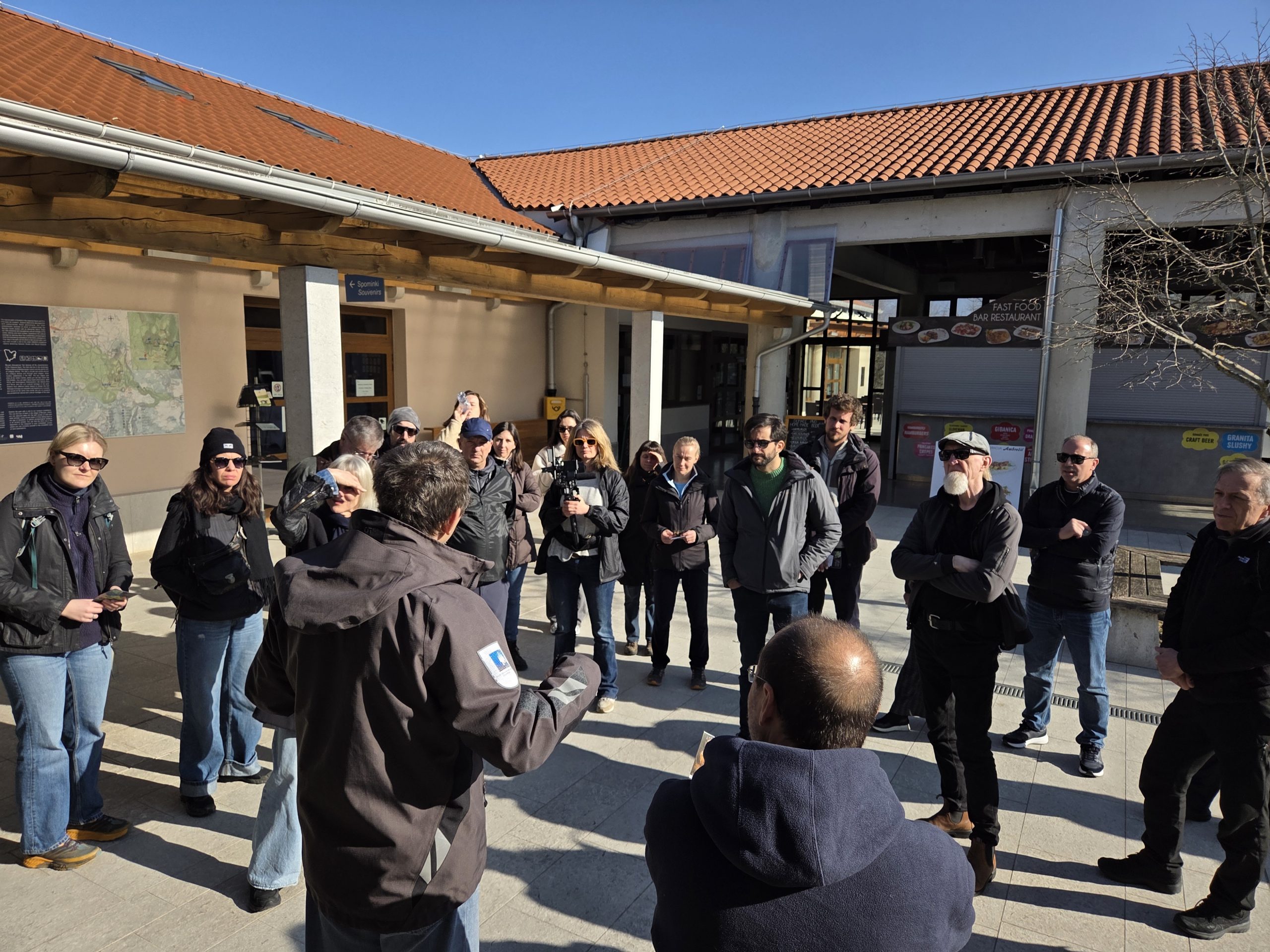
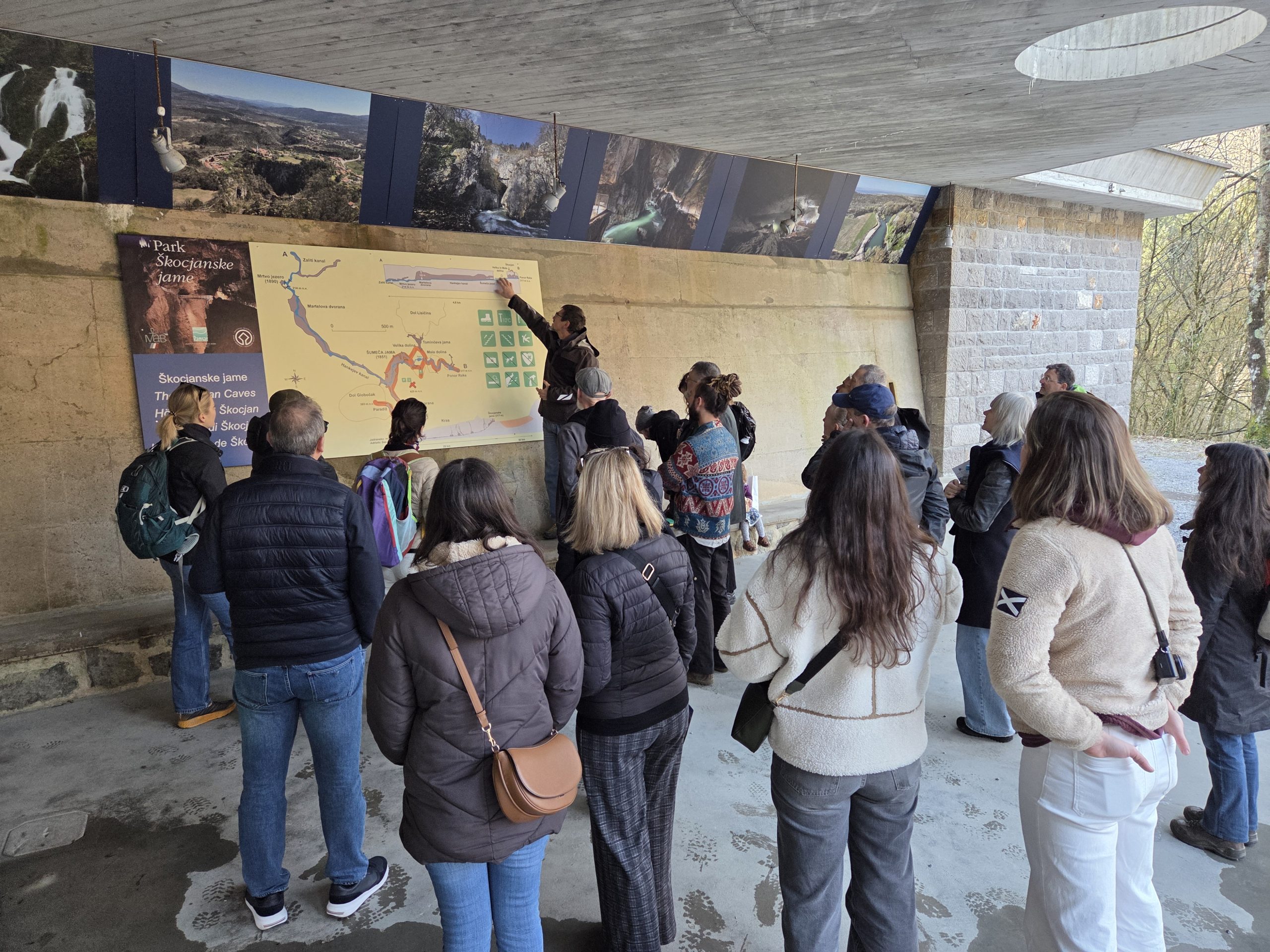
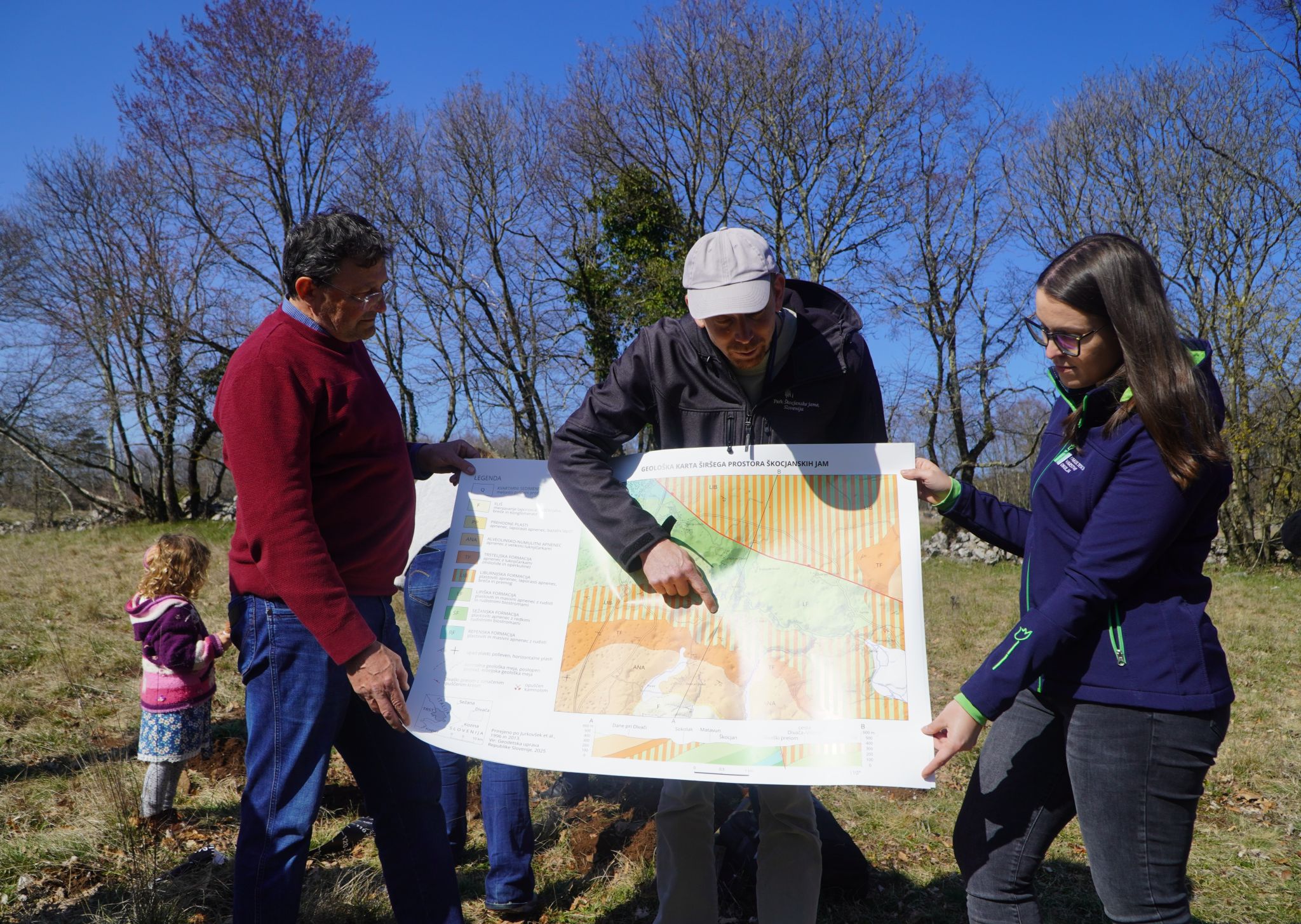
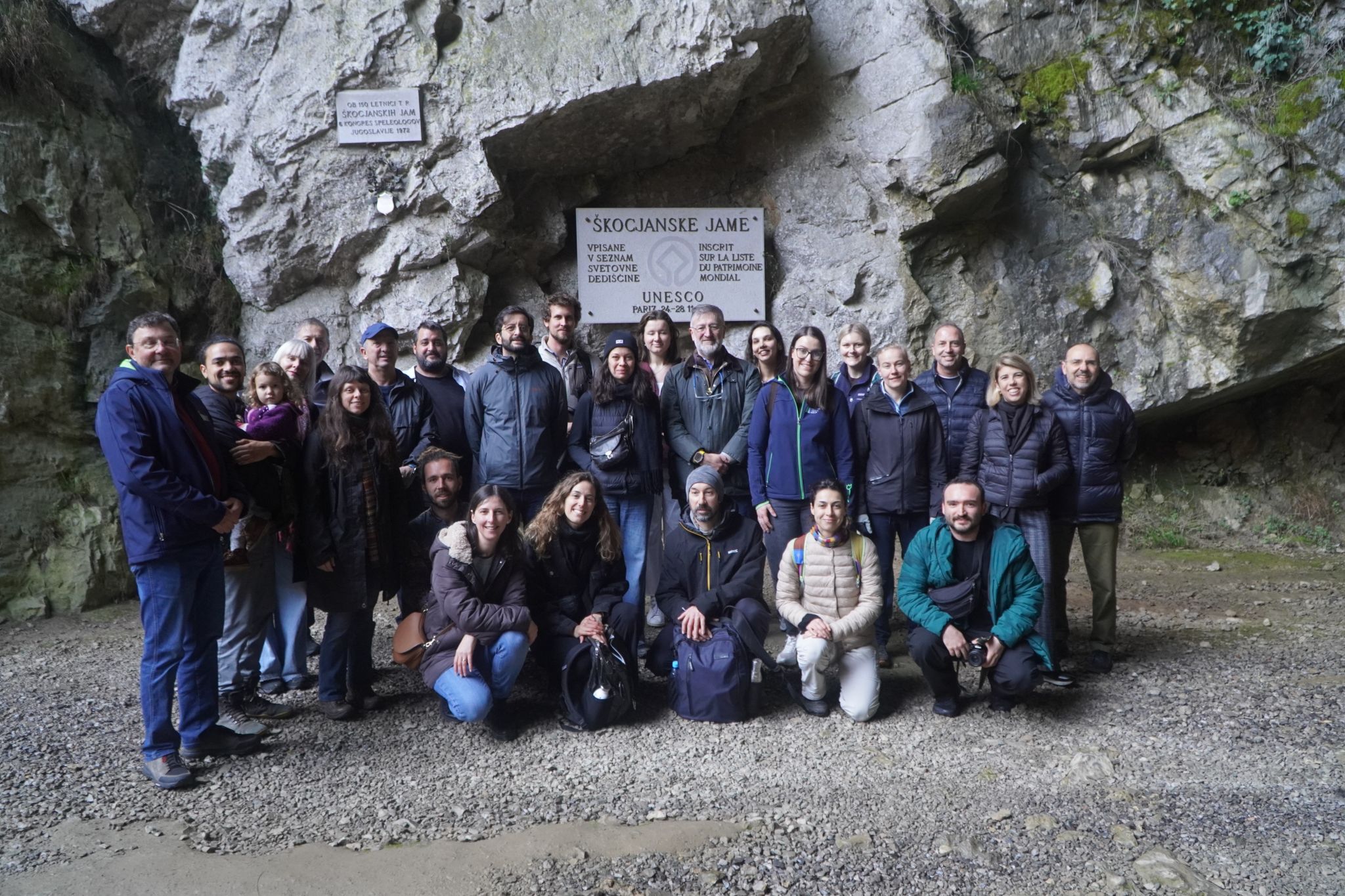
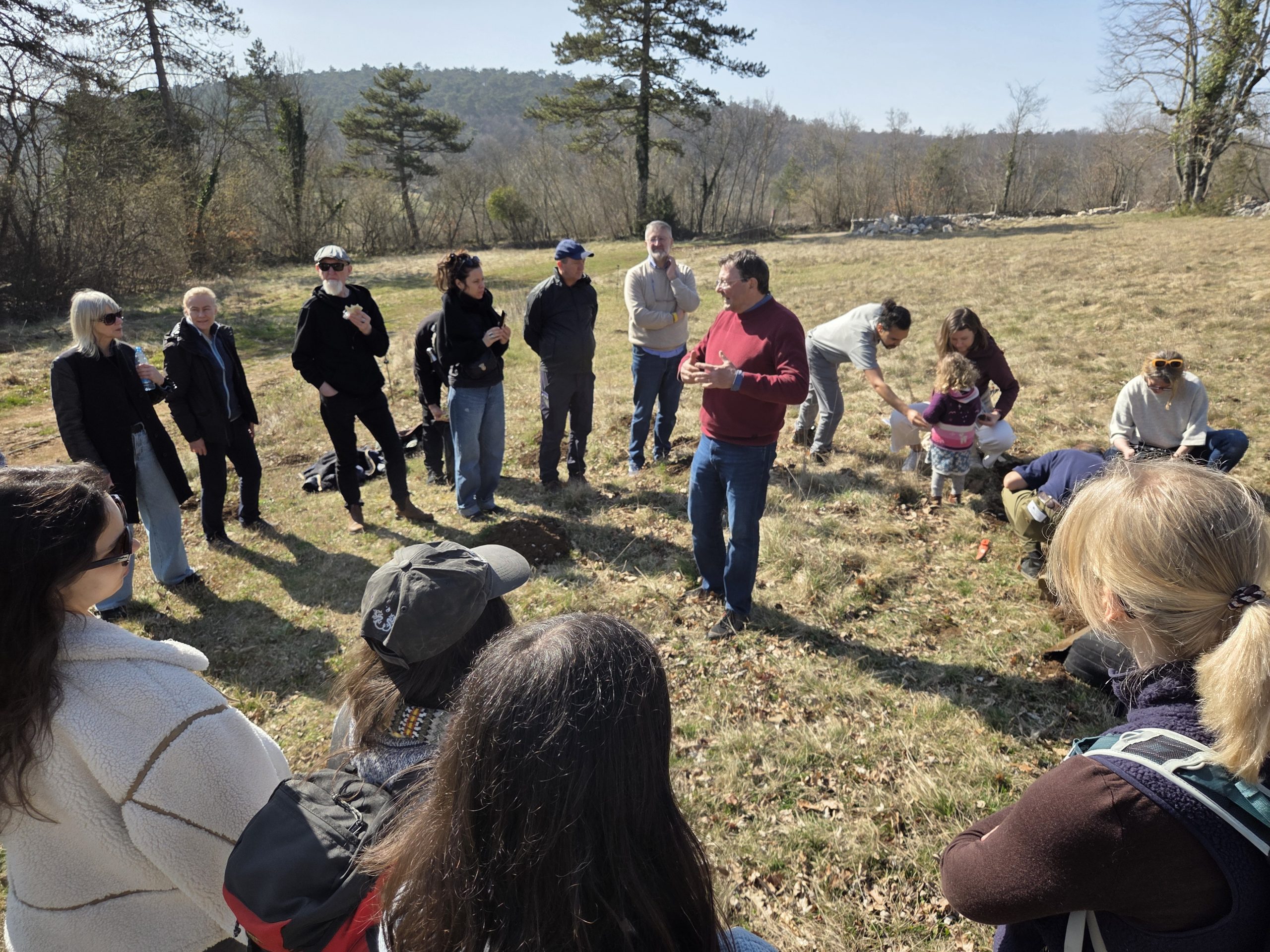
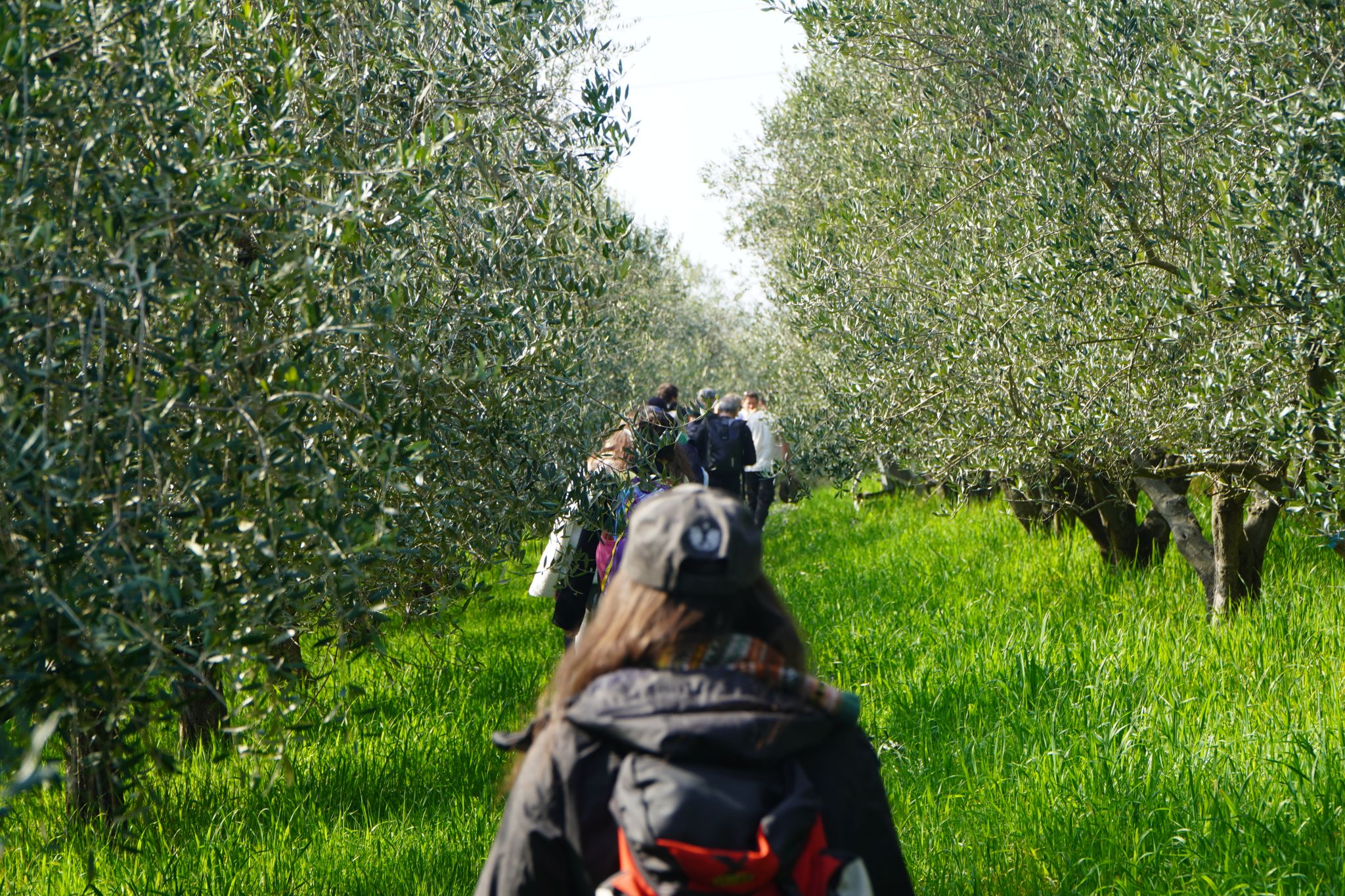
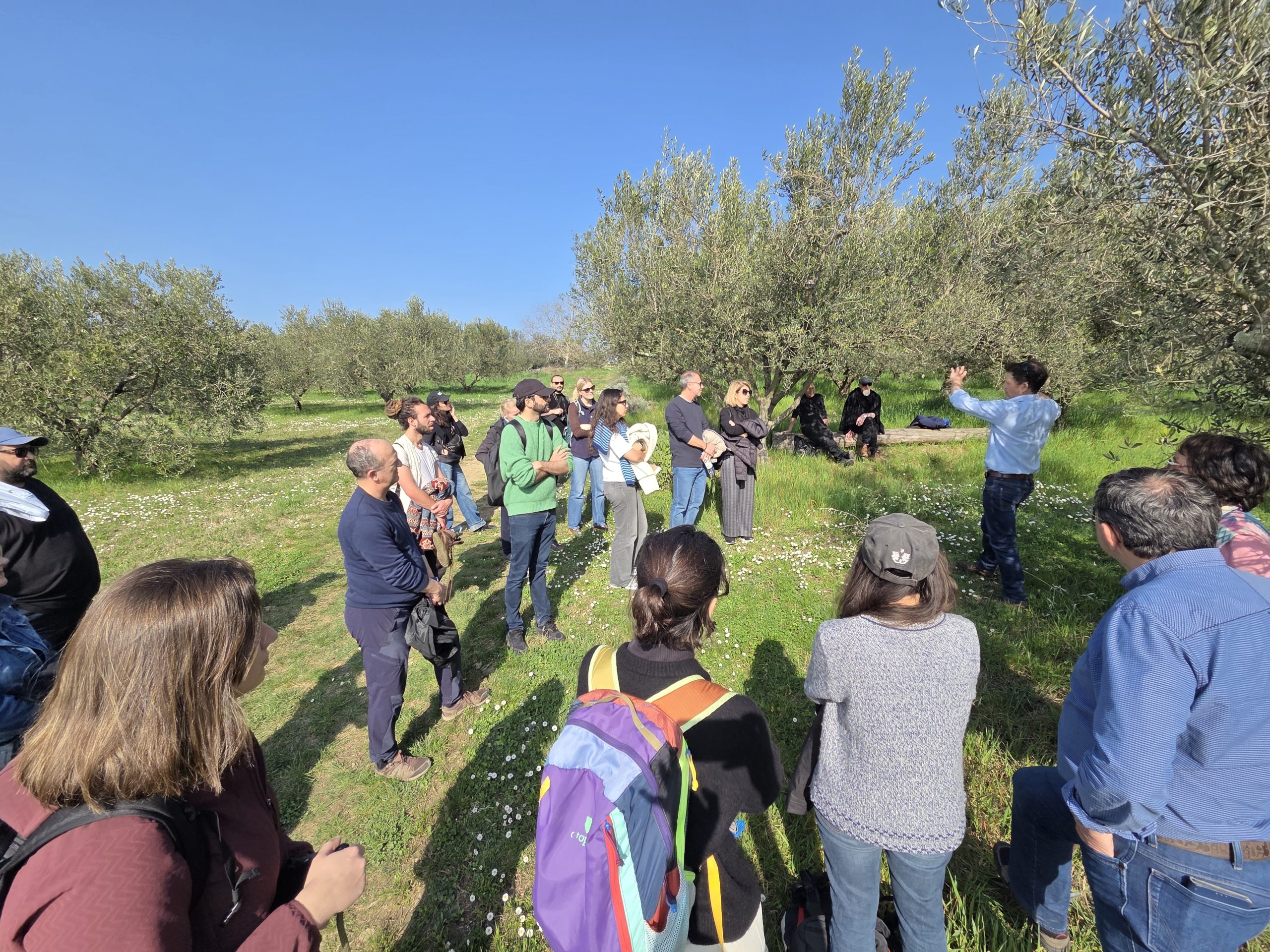
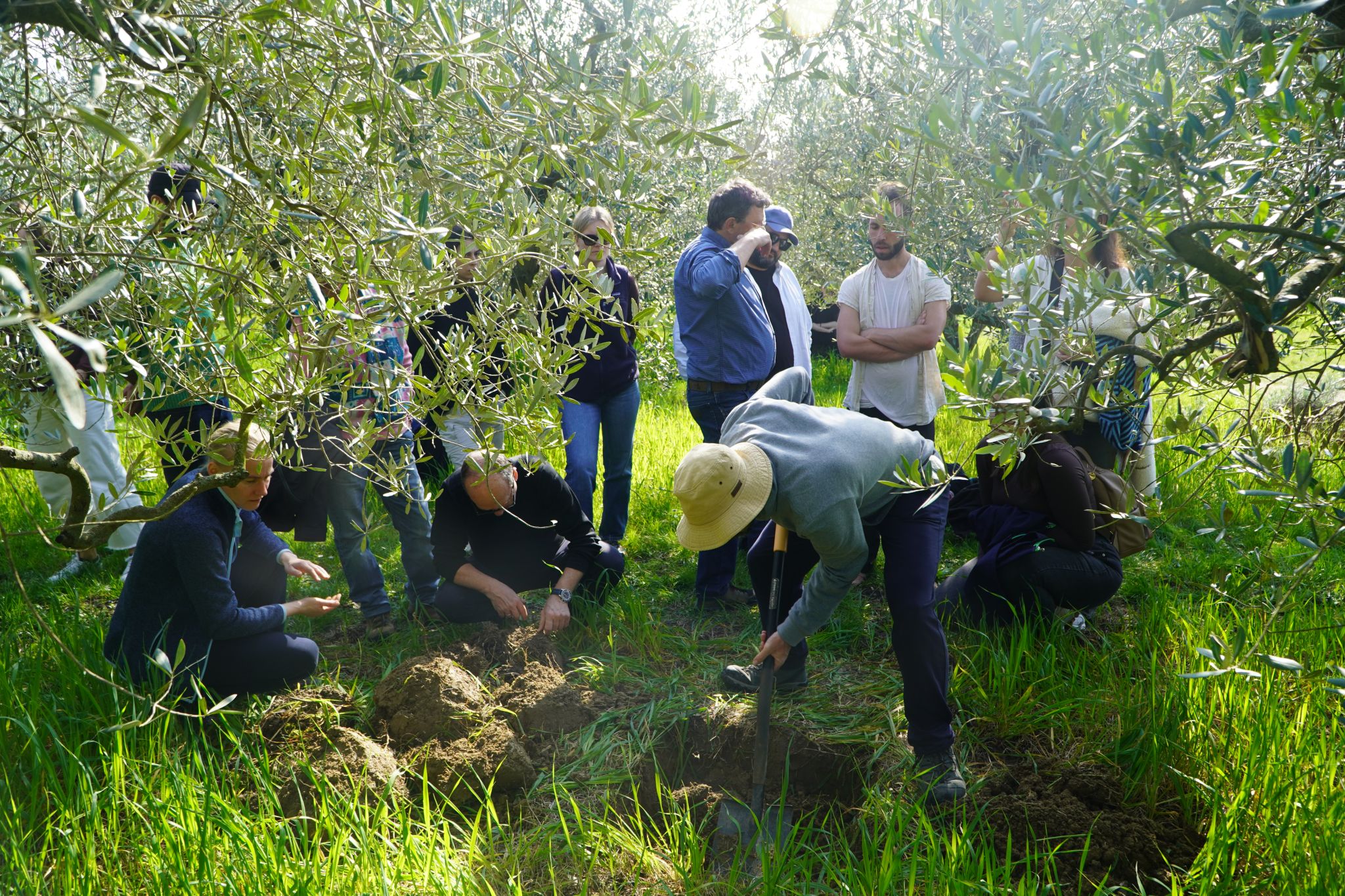
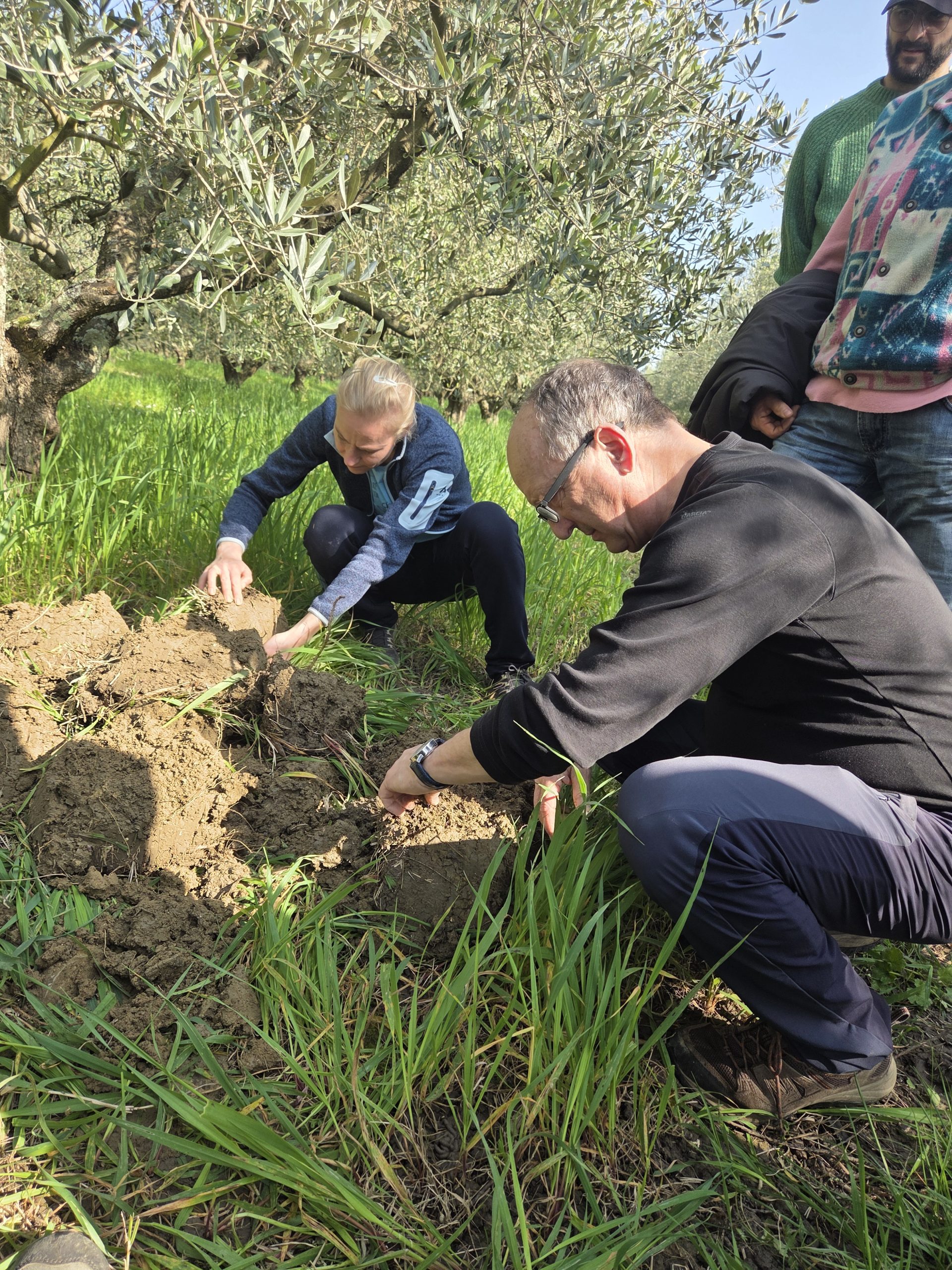
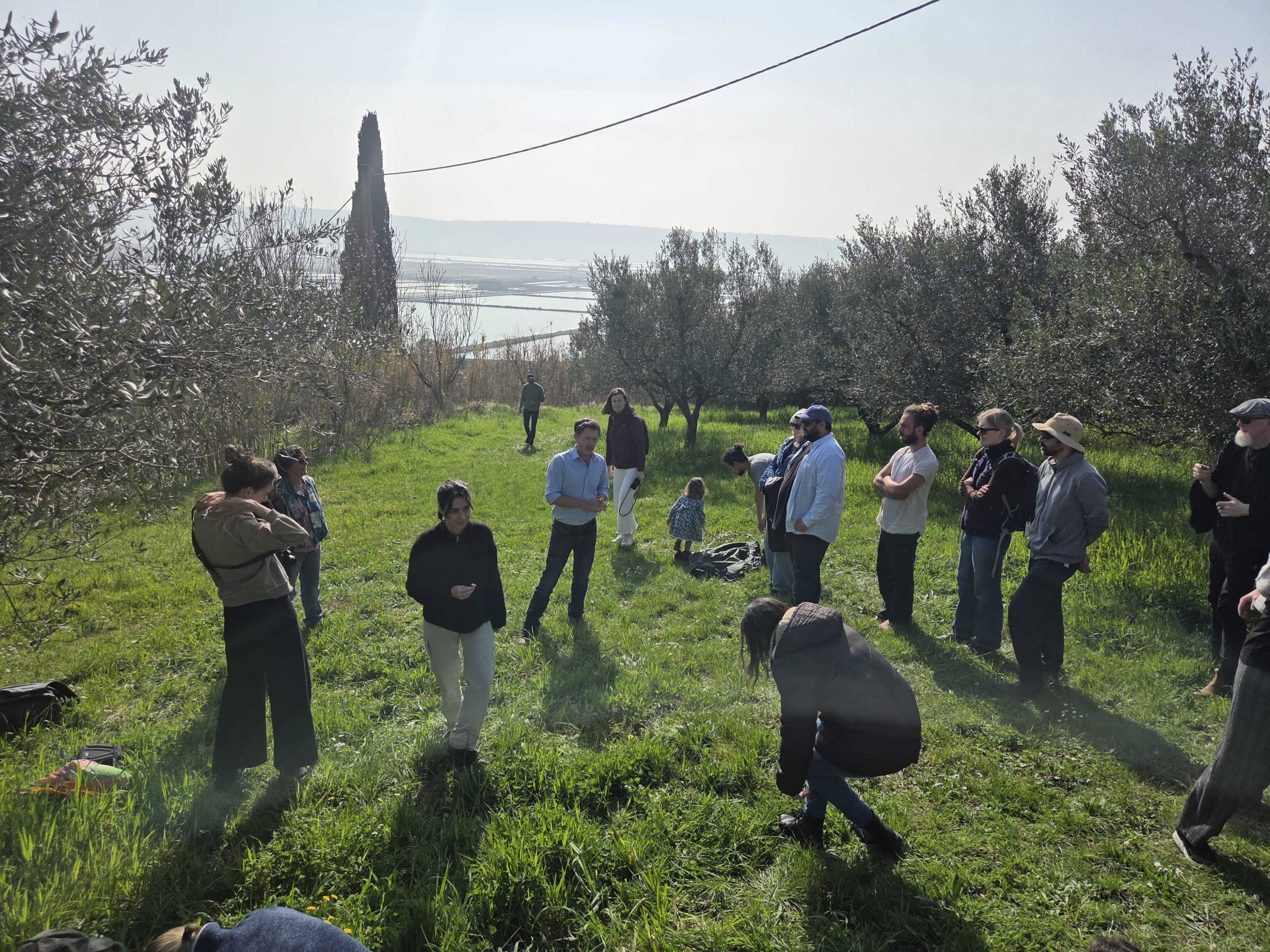
The third day was dedicated to a professional field excursion. Project partners visited the olive groves of the Gramona farm in Seča, where they learned about sustainable olive cultivation practices that contribute to increasing soil humus content, improving water retention capacity, and preventing erosion. Under expert guidance, they also visited the Škocjan Caves, a UNESCO World Heritage Site, where participants explored soil formation on limestone and the development of karst landscapes. At both locations, the participants excavated a soil profile and presented the main morphological characteristics of the soils.
The project meeting represented an important opportunity for knowledge exchange, strengthening cooperation among partners, and planning the project’s further research activities.
Če želite, lahko pripravim še nekoliko bolj promocijsko različico za angleško spletno stran, z bolj tekočim in “news-style” naslovom ter uvodom.