Forests are not only a natural asset, but also an important pillar of social and economic development
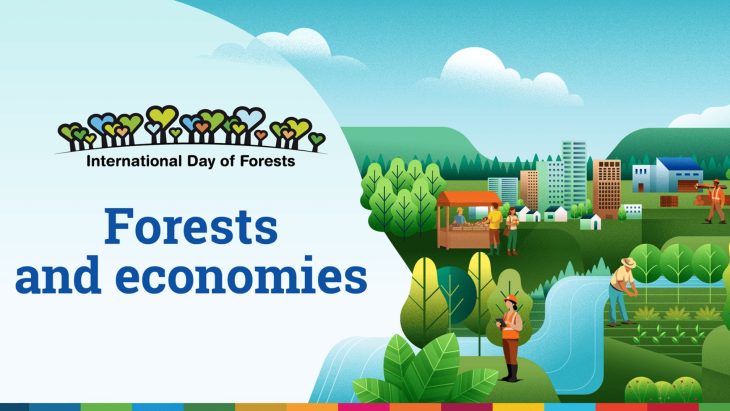
Every year on March 21, we observe the International Day of Forests, established by the Food and Agriculture Organization of the United Nations. In 2026, the day is marked under the theme “Forests and Economy,” highlighting the fact that the role of forests extends far beyond their traditional image as natural landscapes or sources of timber.
Forests make a major contribution to the economy
Forests and other natural resources are directly or indirectly linked to more than half of global gross domestic product. Demand for forest products remains high, with around 4 billion cubic meters of wood produced annually, while global demand for industrial roundwood is expected to increase further by 2050.
An important part of the forest economy also includes non-wood forest products such as food, medicines, resins, ornamental plants, and fodder. These products represent significant economic value and also offer substantial development potential.
Forests also have strong social and environmental functions
The importance of forests is not limited to the economy. More than 2 billion people worldwide rely on wood fuel and charcoal for cooking and heating, while many rural communities depend on forests for income, employment, and access to essential resources. Forests also contribute to soil protection, water regulation, and climate change mitigation.
This year’s theme therefore places particular emphasis on the need to understand forests in a comprehensive way. Forest-based economies are not limited to timber harvesting and wood sales, but also include tourism, recreation, health, biodiversity, and the development of local communities.
Sustainable forest management is an investment in the future
Forest loss carries serious environmental and economic consequences, including soil erosion, flooding, greater vulnerability to climate change, and reduced land productivity. For this reason, the protection, restoration, and sustainable use of forests are essential for long-term social and economic stability.
Forests also play an important role in Slovenia
The importance of forests is also clearly reflected in Slovenia. According to data presented by the Slovenian Forestry Institute, the gross value added of forestry reached EUR 372 million in 2024, representing 0.6 percent of the country’s gross domestic product. Activities related to forest resources employed 19,818 people, with the highest share in the wood-processing industry.
At the Faculty of Environmental Protection, we emphasize the importance of a responsible relationship with forests
On the occasion of the International Day of Forests, the Faculty of Environmental Protection highlights the importance of forests as a key component of sustainable development, the circular economy, and environmental quality. Responsible forest management is not only an issue of nature conservation, but also an investment in a more resilient and sustainable future.