
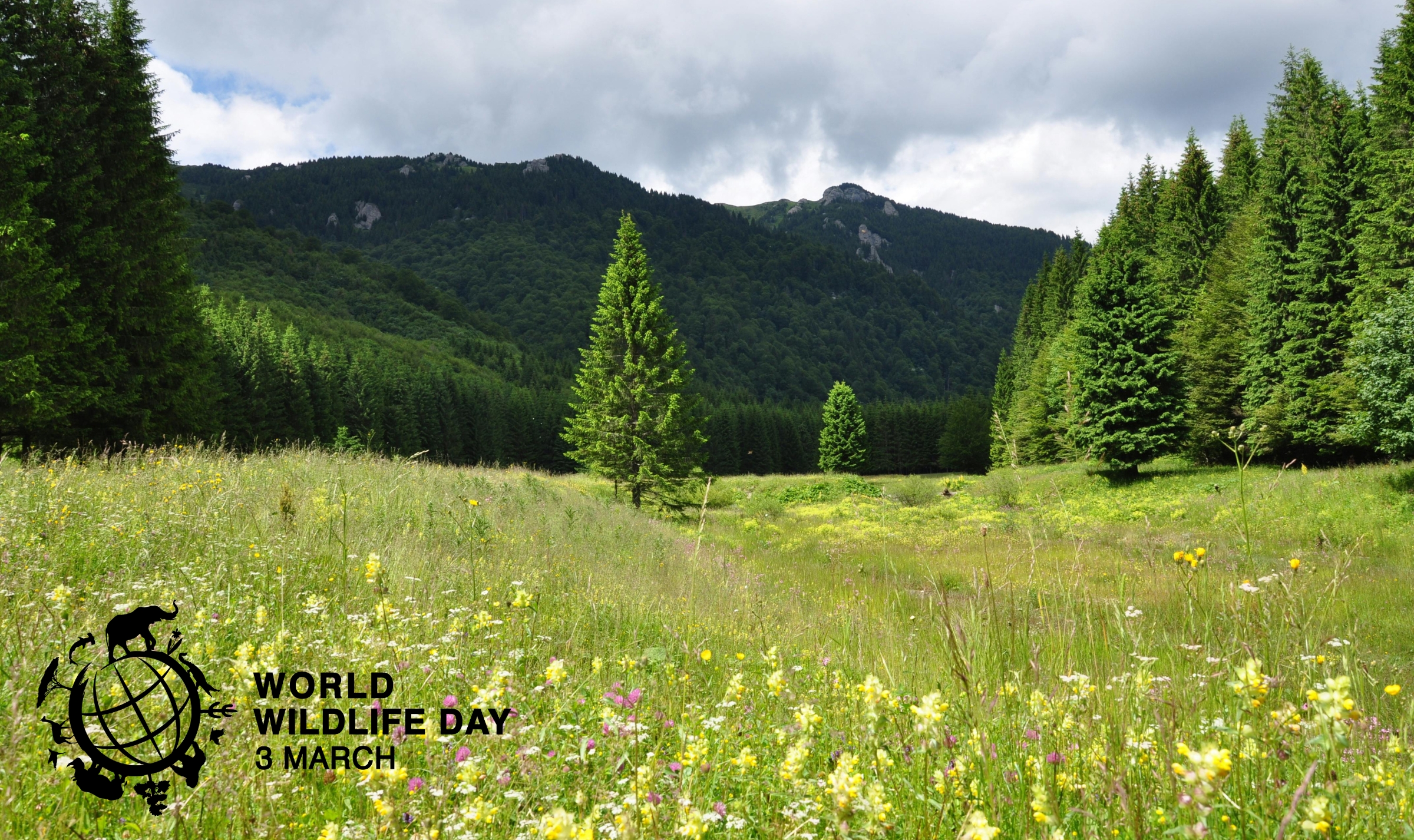
Each year on March 3, we observe World Wildlife Day, which was proclaimed by the United Nations General Assembly in 2013. The date marks the anniversary of the signing of the CITES Convention on International Trade in Endangered Species of Wild Fauna and Flora, adopted on March 3, 1973.
The central theme of this year’s World Wildlife Day is “Medicinal and Aromatic Plants: Conserving Health, Heritage and Livelihoods.” The theme highlights the importance of these plants for human health, the preservation of traditional knowledge and cultural heritage, and the livelihoods of many local communities. At the same time, it draws attention to the fact that many of these species are increasingly threatened by overharvesting, habitat loss, and climate change.
According to the World Health Organization, traditional medicine, often based on plant resources, remains widely used in some parts of the world. This further confirms that medicinal and aromatic plants are important not only from the perspective of biodiversity conservation, but also in social, health, and development terms.
Slovenia is among the most biodiverse countries in Europe, which makes the protection of wild plant and animal species particularly important in our national context as well. Medicinal and aromatic plants are not only part of our natural heritage, but also an important element of local knowledge, practices, and cultural identity. Their conservation is therefore closely linked to nature protection, the sustainable use of resources, and the safeguarding of cultural heritage.