With a master’s degree in ecotechnology, you can take on more advanced professional, development and research roles in companies, public institutions, research organisations and nature conservation. Green professions face skills shortages. All graduates from the 2022/23 and 2023/24 cohorts were employed immediately after graduation.
Where are your skills needed?
Business and the public sector
Environmental expertise is needed in industry, utility companies, forestry, agriculture and tourism, as well as in public services responsible for water, spatial planning and nature.
Industry and environmental permits
Companies requiring environmental permits, hazardous substance management, ISO 14001 and EMAS systems, and development of environmentally friendly products and technologies.
Monitoring and environmental documentation
Monitoring water, air, noise and soil, plus impact assessments and environmental documentation for spatial plans and developments in protected areas.
Water, waste and remediation
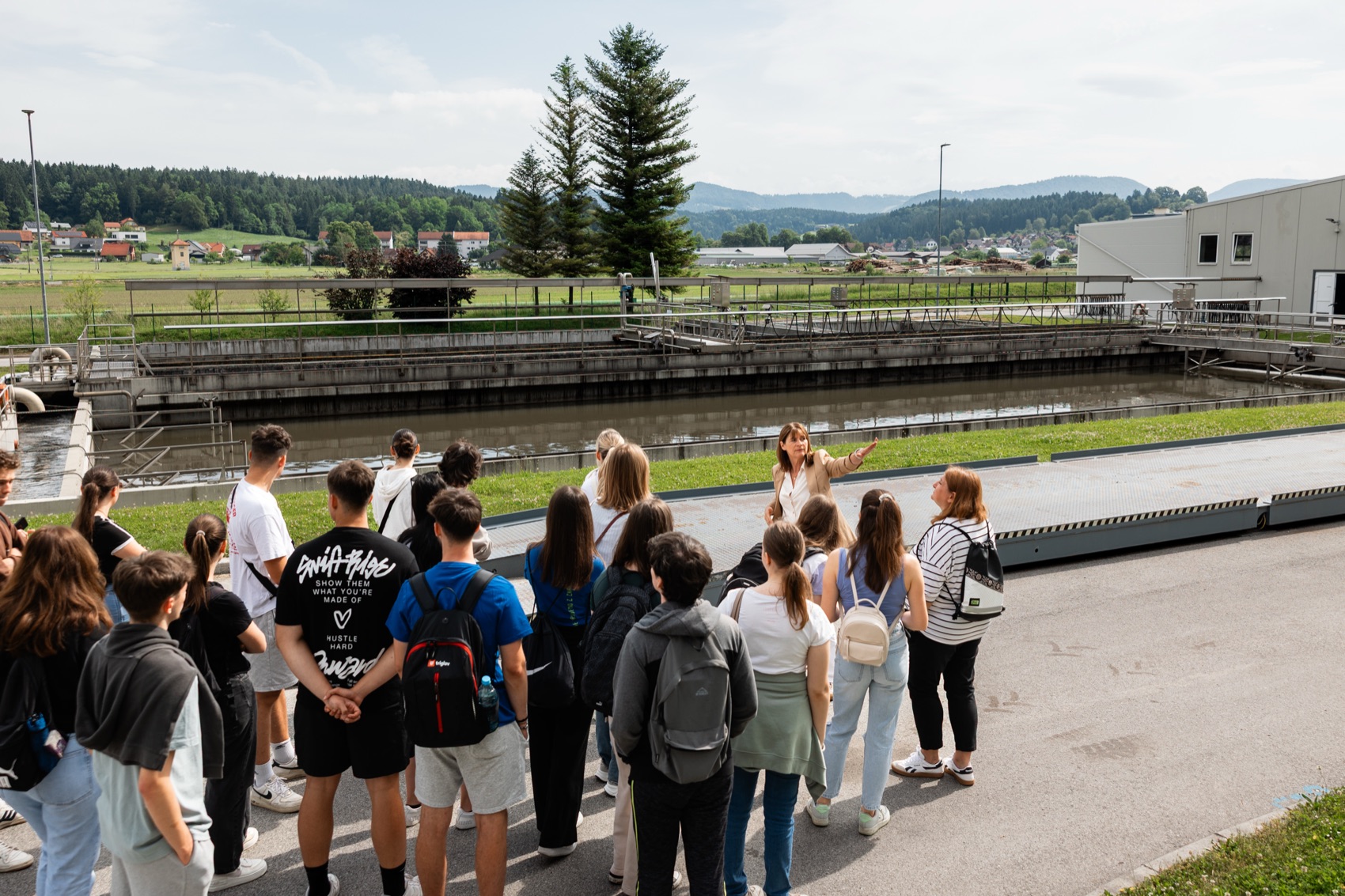
Utility companies and wastewater treatment plants, drinking water supply, waste management companies, remediation of degraded areas and energy renovation.
Public administration, nature and research
Administrative and supervisory services, urban planning institutes, parks and protected areas, hunting and fishing organisations, institutes, faculties and non-governmental organisations.
From module to career
The two modules you choose shape your path
In each year, you choose one module to move towards your preferred professional field while you study.
Protected areas, parks and reserves, nature conservation institutions, hunting and fishing organisations, non-governmental organisations and research groups.
Module courses
The path to employment
Gain experience while you study
01
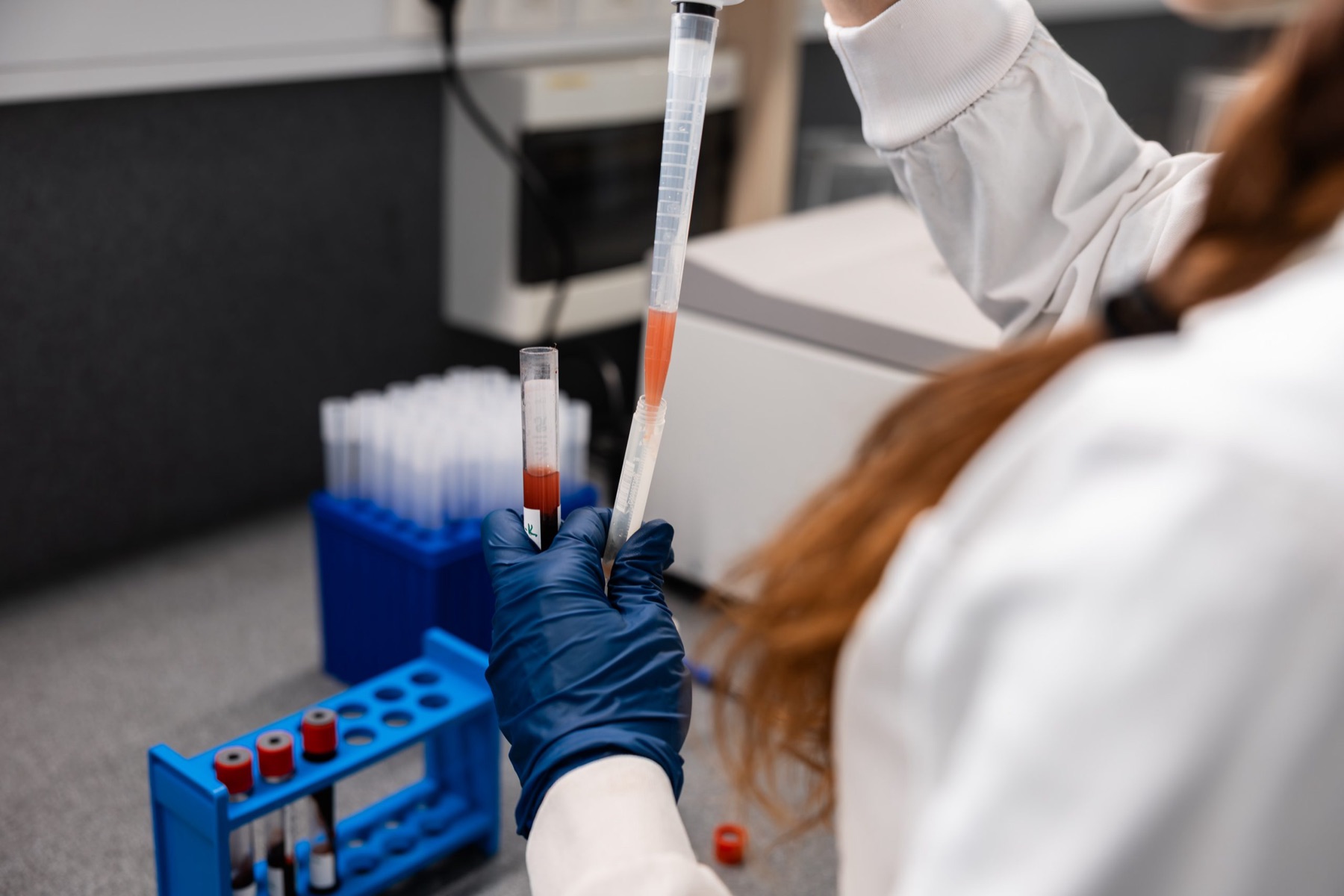
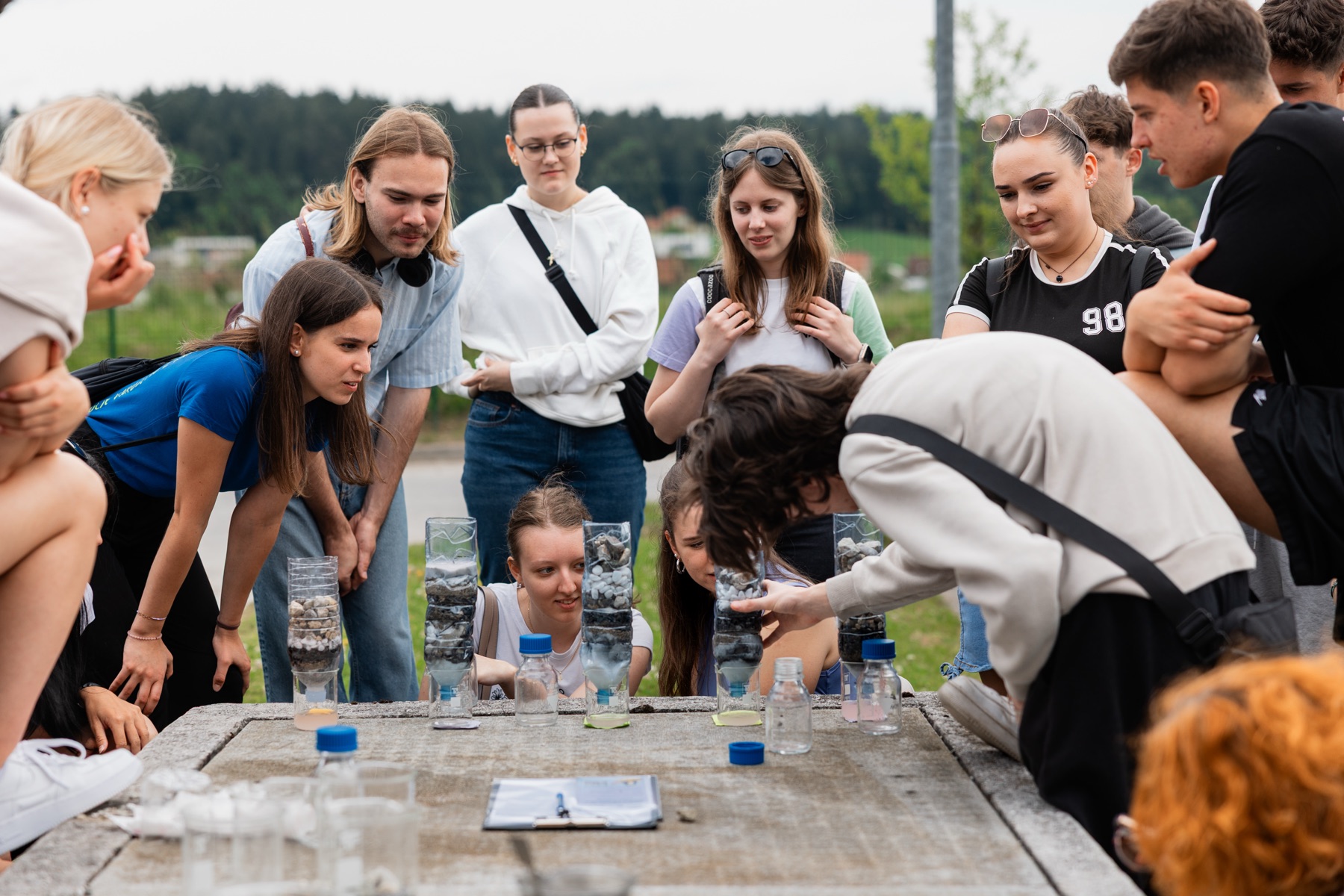
Laboratory work, fieldwork and data
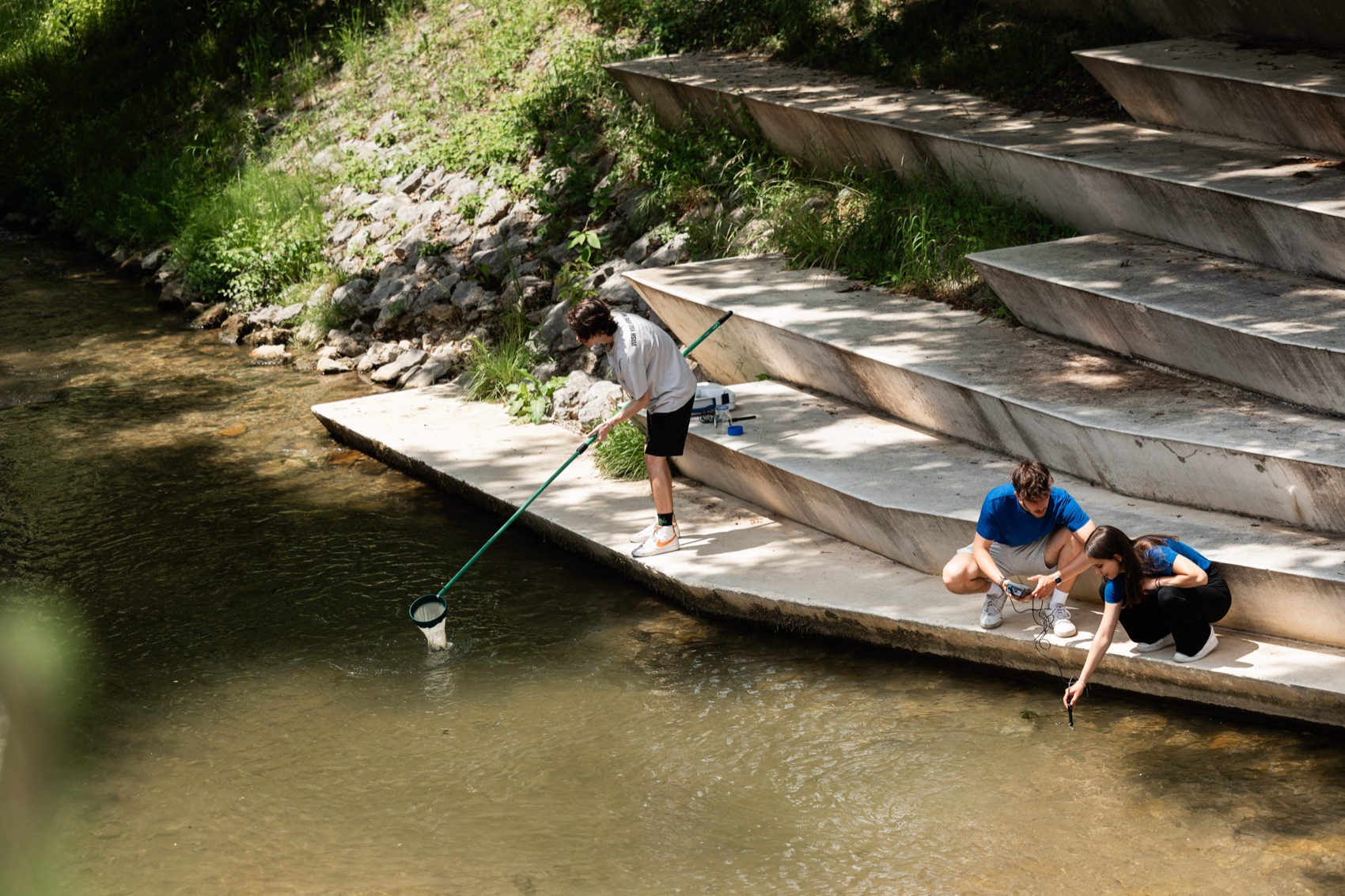
In your first year, you take Laboratory and Field Practicum and Computer Practicum. In your second year, you learn to process data using modern statistical methods.
Courses involve guest experts, for example from the Geological Survey of Slovenia and the National Institute of Biology. You can also take part in the Faculty’s research projects.
This selection of recent master’s theses (PDFs in Slovenian) shows the breadth of work undertaken by ecotechnology master’s graduates. All theses are available in the Digital Thesis Library.