Curriculum
The updated curriculum for the Environmental Protection and Ecotechnology master’s programme applies from 2026/27. Find all courses with their credits and hours, the three modules, electives and downloadable syllabuses.
Which curriculum applies to you?
The updated curriculum applies to students who entered year one in 2026/27 or later. If you enrolled in 2025/26 or earlier, continue under the 2012/13–2025/26 curriculum. Ask the Student Affairs Office for instructions and deadlines for choosing modules and electives.
Year 1 · 60 ECTS credits
Shared foundations and Module A
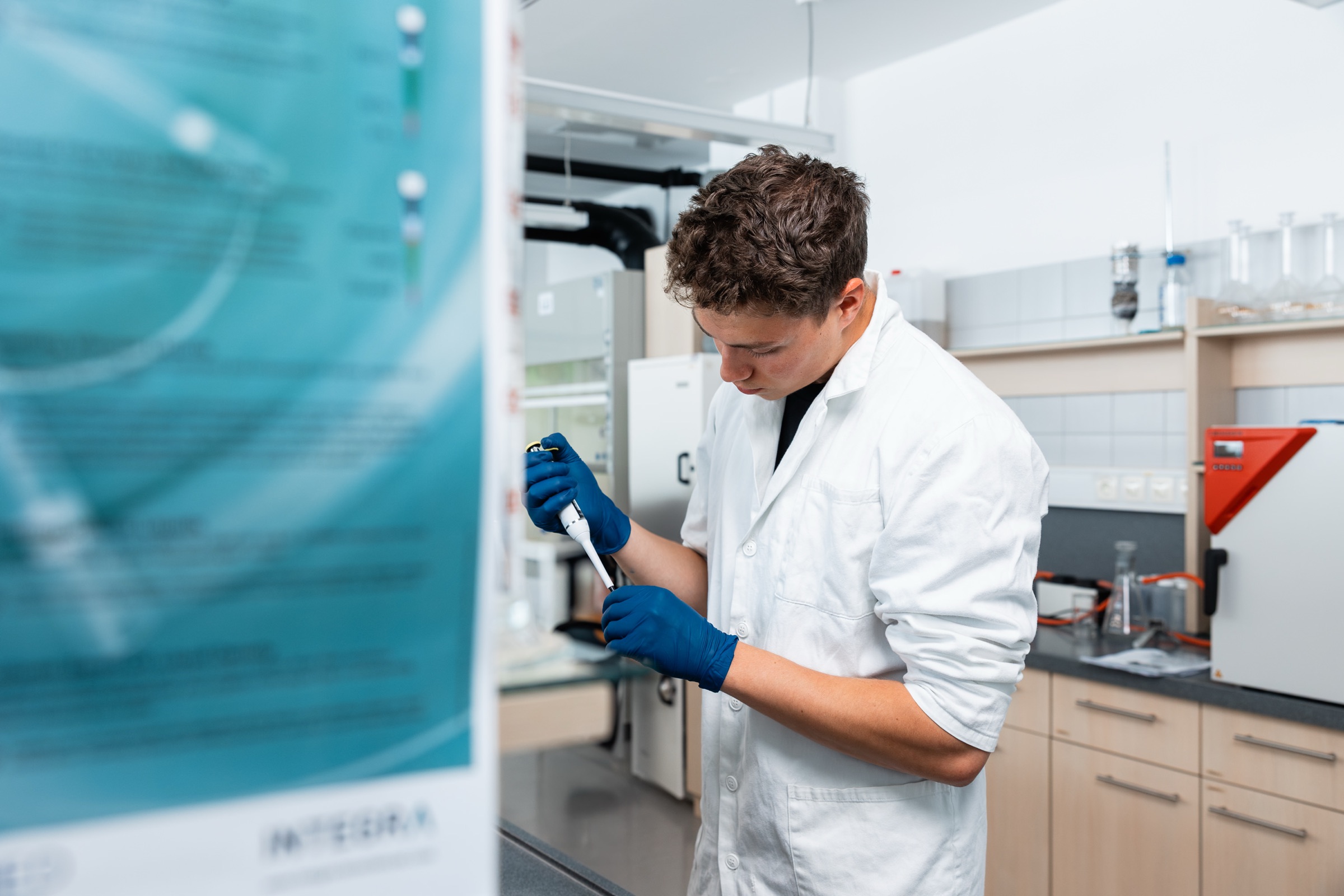
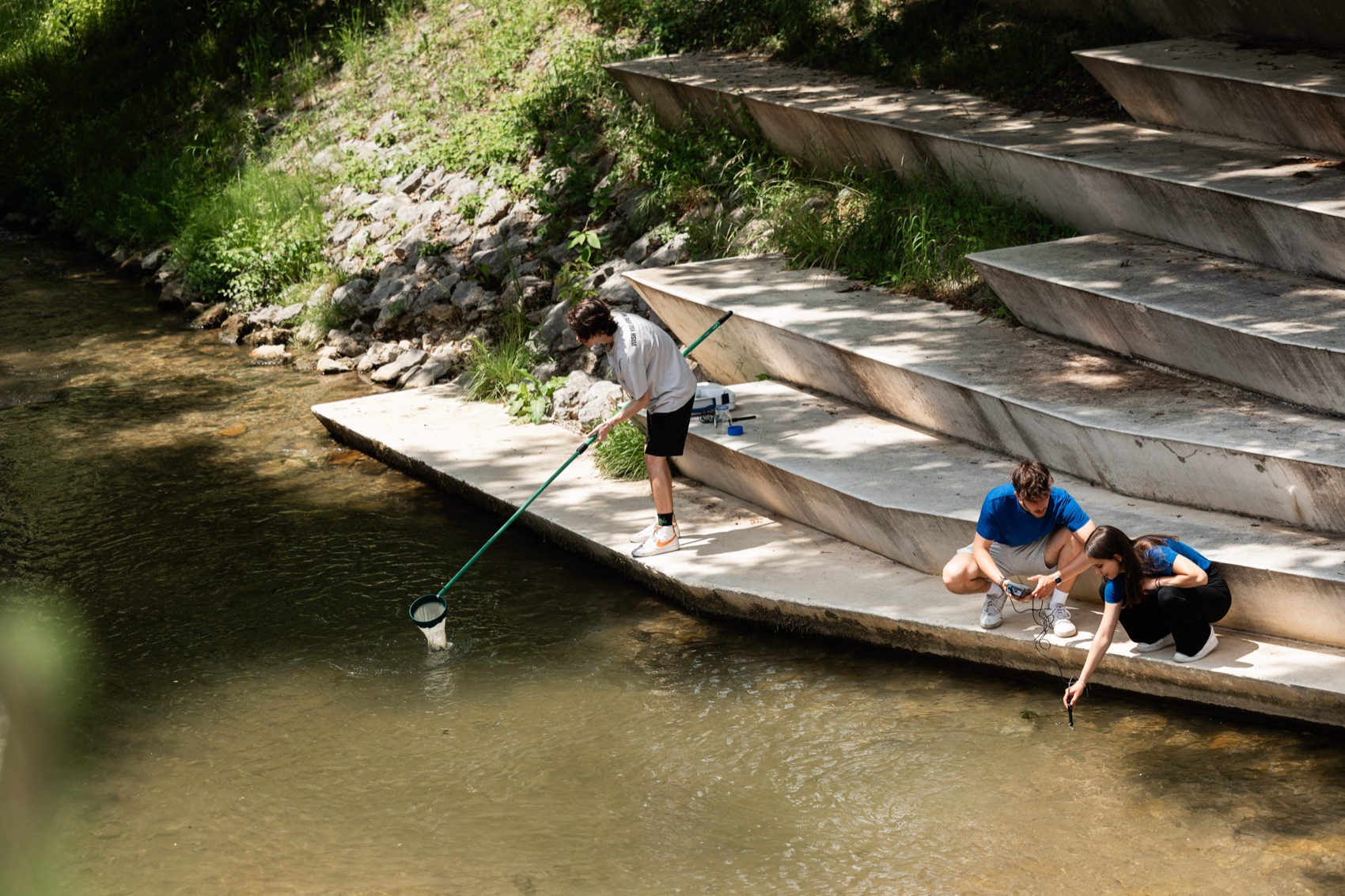
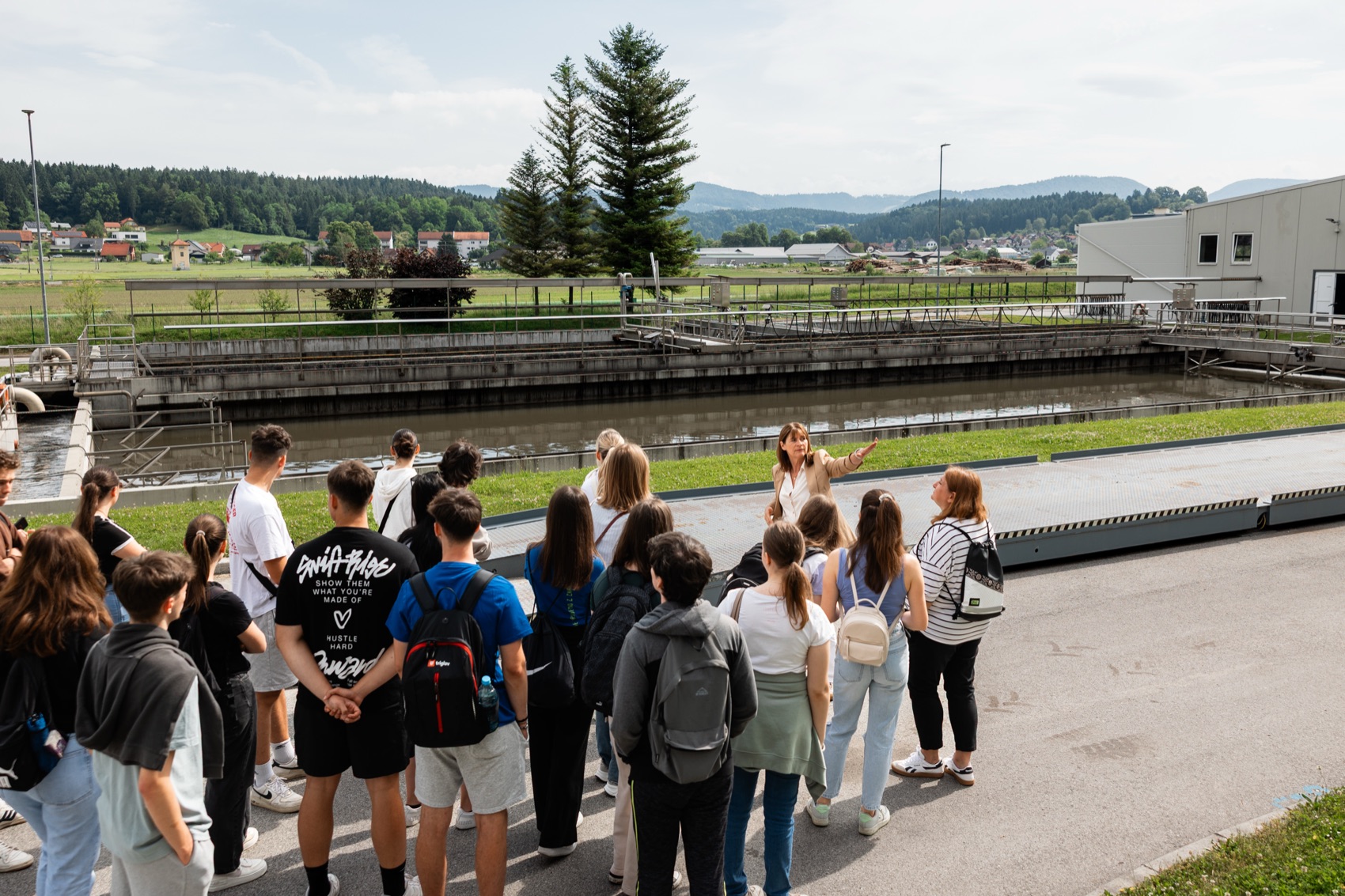
Seven compulsory courses (44 ECTS credits) provide a common foundation, from environmental technologies, law and economics to lab, field and computing work. Practical work is built into the practicums and classes. You also choose Module A (16 ECTS credits).
| Course | KT | P | SV | LV | TV |
|---|---|---|---|---|---|
| Compulsory courses | |||||
| Environmental Technologies | 8 | 40 | 20 | 10 | 10 |
| Nature Conservation and Protected Areas | 6 | 30 | 15 | 0 | 15 |
| Environmental Law | 6 | 30 | 20 | 0 | 10 |
| Environmental Economics | 6 | 30 | 30 | 0 | 0 |
| Project and Research Work | 6 | 30 | 30 | 0 | 0 |
| Computing Practicum | 4 | 20 | 0 | 20 | 0 |
| Laboratory and Field Practicum | 8 | 20 | 0 | 40 | 40 |
| Compulsory courses total | 44 | ||||
| By choice | |||||
| Module A – four courses from one of the three modules | 16 | ||||
| Year 1 total | 60 | ||||
KT – ECTS credits (1 credit = 30 hours of work) · P – lectures · SV – seminars · LV – laboratory classes · TV – field classes. Figures show scheduled teaching hours.
Year 2 · 60 ECTS credits
Specialisation and master’s thesis
Modern Statistical Methods in the Natural Sciences, Module B and two electives. The master’s thesis accounts for half the year (30 ECTS credits).
| Course | KT | P | SV | LV | TV |
|---|---|---|---|---|---|
| Compulsory component | |||||
| Modern Statistical Methods in the Natural Sciences | 6 | 30 | 10 | 20 | 0 |
| Master’s Thesis | 30 | 0 | 30 | 0 | 0 |
| Compulsory component total | 36 | ||||
| By choice | |||||
| Module B – four courses from a second module of your choice | 16 | ||||
| Elective I | 4 | ||||
| Elective II | 4 | ||||
| Year 2 total | 60 | ||||
Modules · years 1 and 2
Choose your specialisation
Each module has four courses worth 4 ECTS credits each, for a total of 16. You take Module A in year one and Module B in year two.
Technologies for environmental protection and restoration: soil, wastewater, the circular economy, waste management and energy resources.
Climate change, environmental risks and natural disasters, environmental impact assessment, and environmental awareness and communication.
Ecology and protection of wildlife, terrestrial ecosystems and waters, and conservation biology.
Module 1: Ecotechnology
| Course | KT | P | SV | LV | TV |
|---|---|---|---|---|---|
| Soil Quality, Restoration and Remediation | 4 | 20 | 0 | 10 | 10 |
| Environment and Energy Resources | 4 | 20 | 20 | 0 | 0 |
| Wastewater Treatment Technologies | 4 | 20 | 4 | 12 | 4 |
| Circular Economy and Waste Management | 4 | 20 | 20 | 0 | 0 |
| Total | 16 |
Module 2: Environment and society
| Course | KT | P | SV | LV | TV |
|---|---|---|---|---|---|
| Climate Change | 4 | 20 | 10 | 0 | 10 |
| Environmental Risks and Natural Disasters | 4 | 20 | 20 | 0 | 0 |
| Environmental Impact Evaluation and Expert Reports | 4 | 20 | 10 | 10 | 0 |
| Environmental Awareness and Communication | 4 | 20 | 15 | 0 | 5 |
| Total | 16 |
Module 3: Nature conservation
| Course | KT | P | SV | LV | TV |
|---|---|---|---|---|---|
| Wildlife Ecology and Conservation | 4 | 20 | 0 | 10 | 10 |
| Conservation of Terrestrial Ecosystems | 4 | 20 | 10 | 0 | 10 |
| Aquatic Ecology and Conservation | 4 | 20 | 10 | 0 | 10 |
| Conservation Biology | 4 | 20 | 10 | 0 | 10 |
| Total | 16 |
Year 2 · electives
Elective courses – choose two
In year two you choose two of 14 electives, each worth 4 ECTS credits.
| Course | KT | P | SV | LV | TV |
|---|---|---|---|---|---|
| Bioindication and Biomonitoring | 4 | 20 | 20 | 0 | 0 |
| Environmental Crime | 4 | 20 | 20 | 0 | 0 |
| Toxicology | 4 | 20 | 20 | 0 | 0 |
| Sustainable Tourism and Recreation | 4 | 20 | 10 | 0 | 10 |
| Dendroecology | 4 | 20 | 20 | 0 | 0 |
| AI in Environmental Protection | 4 | 20 | 20 | 0 | 0 |
| Emerging Environmental Pollutants | 4 | 20 | 5 | 5 | 10 |
| Evolutionary and Population Genetics | 4 | 20 | 10 | 10 | 0 |
| Air Quality and Health Impacts | 4 | 20 | 15 | 0 | 5 |
| Agriculture and the Environment | 4 | 20 | 20 | 0 | 0 |
| Water Resilience and Climate Change | 4 | 20 | 10 | 0 | 10 |
| Public Engagement in Environmental Research | 4 | 20 | 10 | 0 | 10 |
| Marine Environmental Protection | 4 | 20 | 10 | 0 | 10 |
| Noise Protection | 4 | 20 | 10 | 5 | 5 |
For students enrolled by 2025/26
Previous 2012/13–2025/26 curriculum
Students enrolled by 2025/26 continue under this curriculum. Select a course name to download its syllabus.
Year 1 · 60 ECTS credits
- Environmental Technologies – 9 KT
- Sustainable Management of Landscape Resources – 7 KT
- Environmental Law – 7 KT
- Environmental Economics and Management – 7 KT
- Project and Research Work – 12 KT
- Three module courses of your choice (3 × 6 ECTS credits) – 18 ECTS credits
Year 2 · 60 ECTS credits
- Three module courses of your choice (3 × 6 ECTS credits) – 18 ECTS credits
- Elective I – 6 ECTS credits
- Elective II – 6 ECTS credits
- Master’s thesis – 30 ECTS credits
Module courses · choose in years 1 and 2
Module I: Ecotechnology
- Noise and Noise Control Technologies – 6 KT
- Bioindication and Biomonitoring – 6 KT
- Environment and Energy Resources – 6 KT
Module II: Environment and society
- Climate Change – 6 KT
- Environmental Effects on Human Health – 6 KT
- Environmental Terrorism and Bioterrorism – 6 KT
Module III: Nature conservation
- Toxicology – 6 KT
- Sustainable Development of Protected Areas – 6 KT
- Aquatic Ecology and Conservation – 6 KT
Questions about the curriculum or choosing courses?
Student Affairs Office
Milena Ževart
Office hours: Monday, Tuesday, Thursday and Friday 10:00–13:00
Wednesday 10:00–13:00 and 15:00–17:00
Last updated: October 2026
Share this page
Study at FVO
Study that sparks change
If you’re interested in the environment, nature, technology and the challenges ahead, FVO is your next step.
Explore study options, practical training and career paths in environmental protection.