Career opportunities
With a professional bachelor’s degree in ecotechnology, you are ready for specialist work in companies, utility services, laboratories, public administration and nature conservation organisations. Placements, fieldwork and projects help you connect with employers before graduation.
From module to career
The two modules you choose shape your path
In your second year, you choose two of six modules to move towards the field in which you would like to work. The compulsory part of the programme provides a broad foundation for work in any environmental field.
| Module | Where graduates work |
|---|---|
| Nature conservation | Protected areas, parks and reserves, nature conservation institutions, hunting and fishing organisations, and environmental NGOs |
| Soil use and protection | Agriculture and rural development, remediation of degraded areas, soil laboratories and research institutions |
| Environment and health | Environmental and health laboratories, companies handling hazardous substances, and occupational health and safety |
| Environmental technologies | Utility companies operating wastewater treatment plants and drinking water supplies, industries requiring environmental permits, and environmental technology developers |
| Environment and spatial planning | Environmental documentation and impact assessment providers, urban planning institutes, municipal spatial planning services, and sustainable tourism |
| Environmental assessment and monitoring | Environmental monitoring of water, air, noise and soil, measurement services, environmental communication and awareness raising |
The path to your first job
Gain experience while you study
Fieldwork, laboratory work and practising professionals
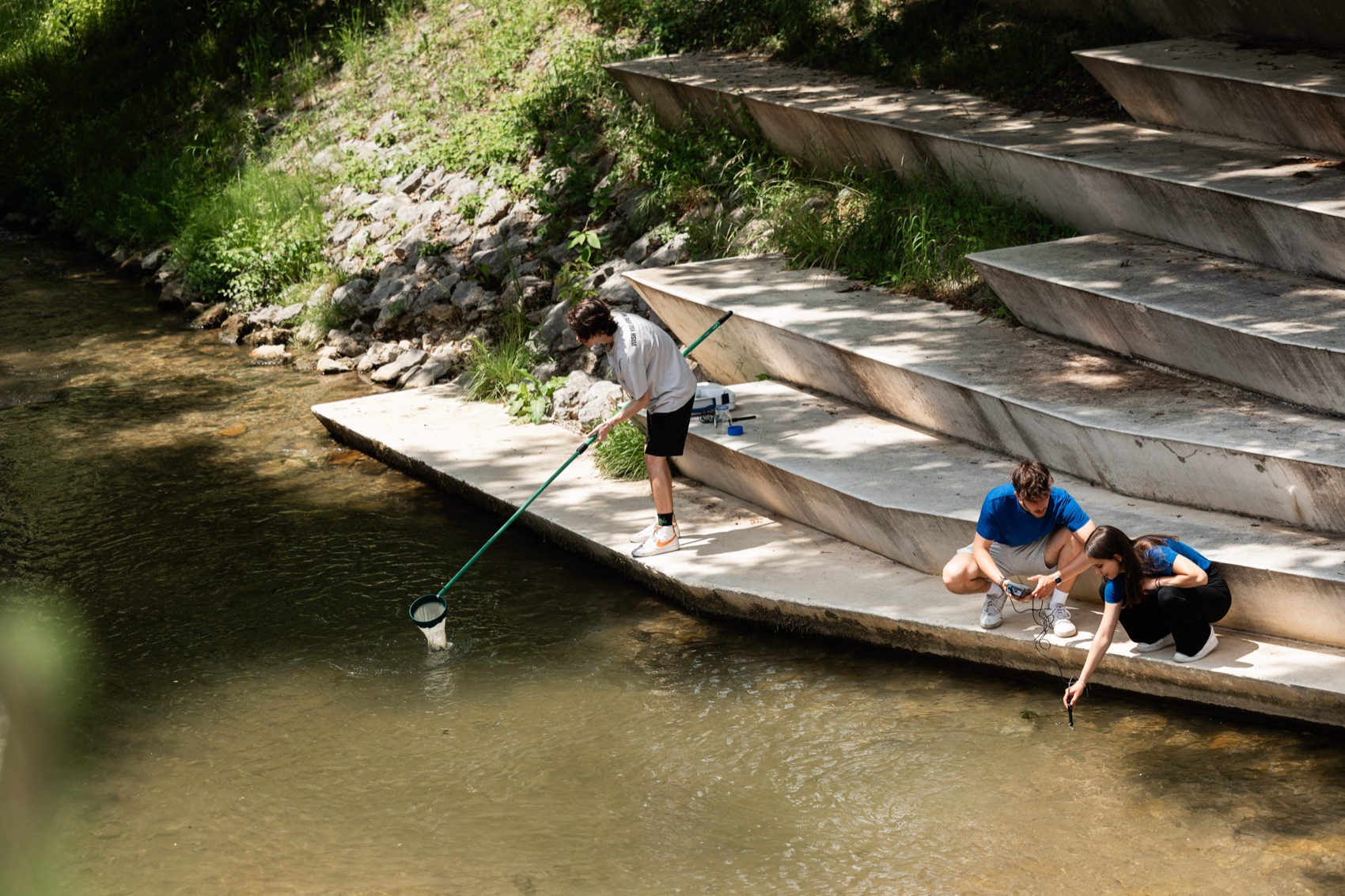
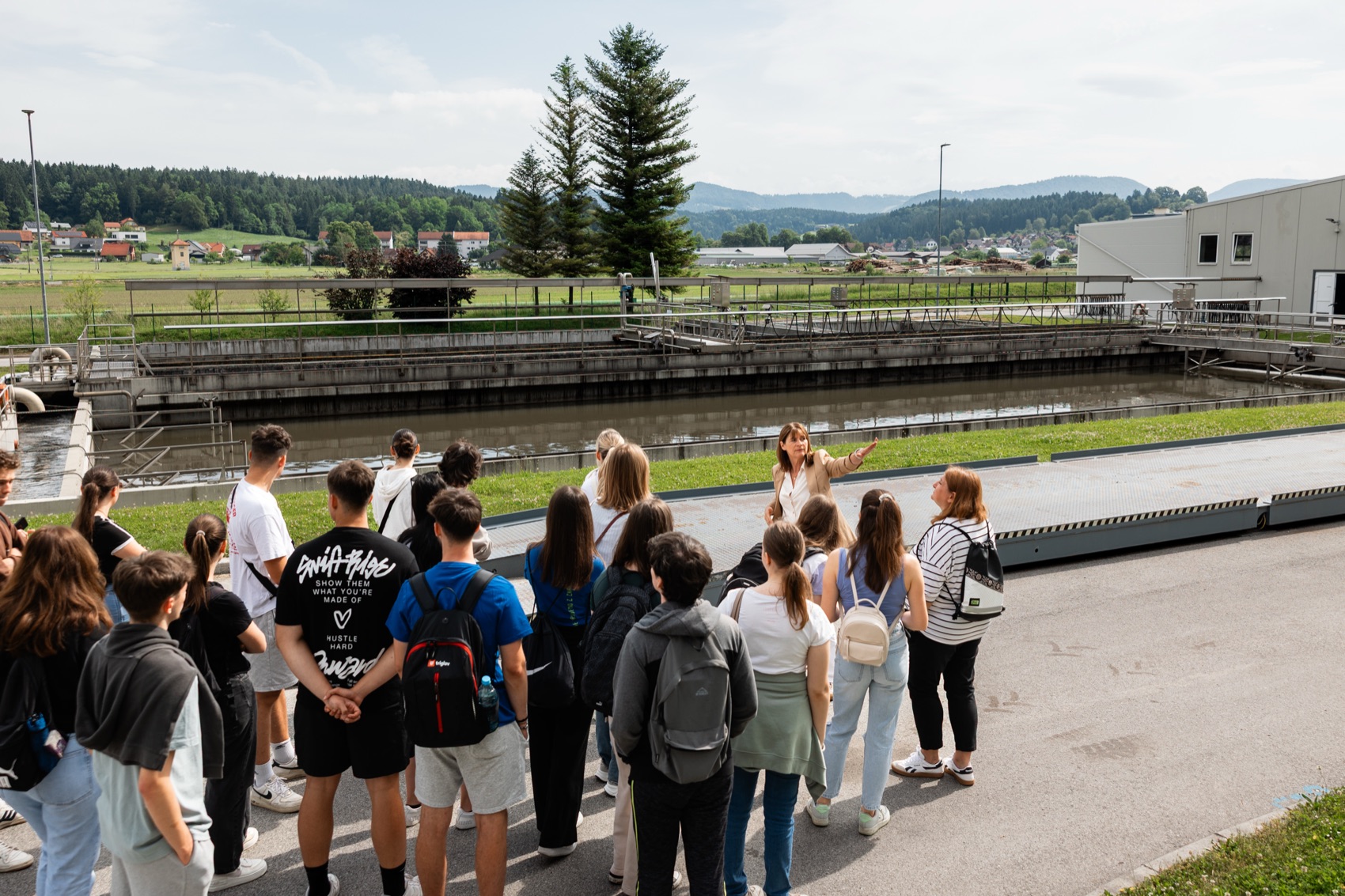
From your first year, field and laboratory classes, excursions and guest lectures introduce you to the work of professionals, for example from environmental inspection services or the National Institute of Biology. You can complete part of your studies or a traineeship abroad through Erasmus+.
Practical training
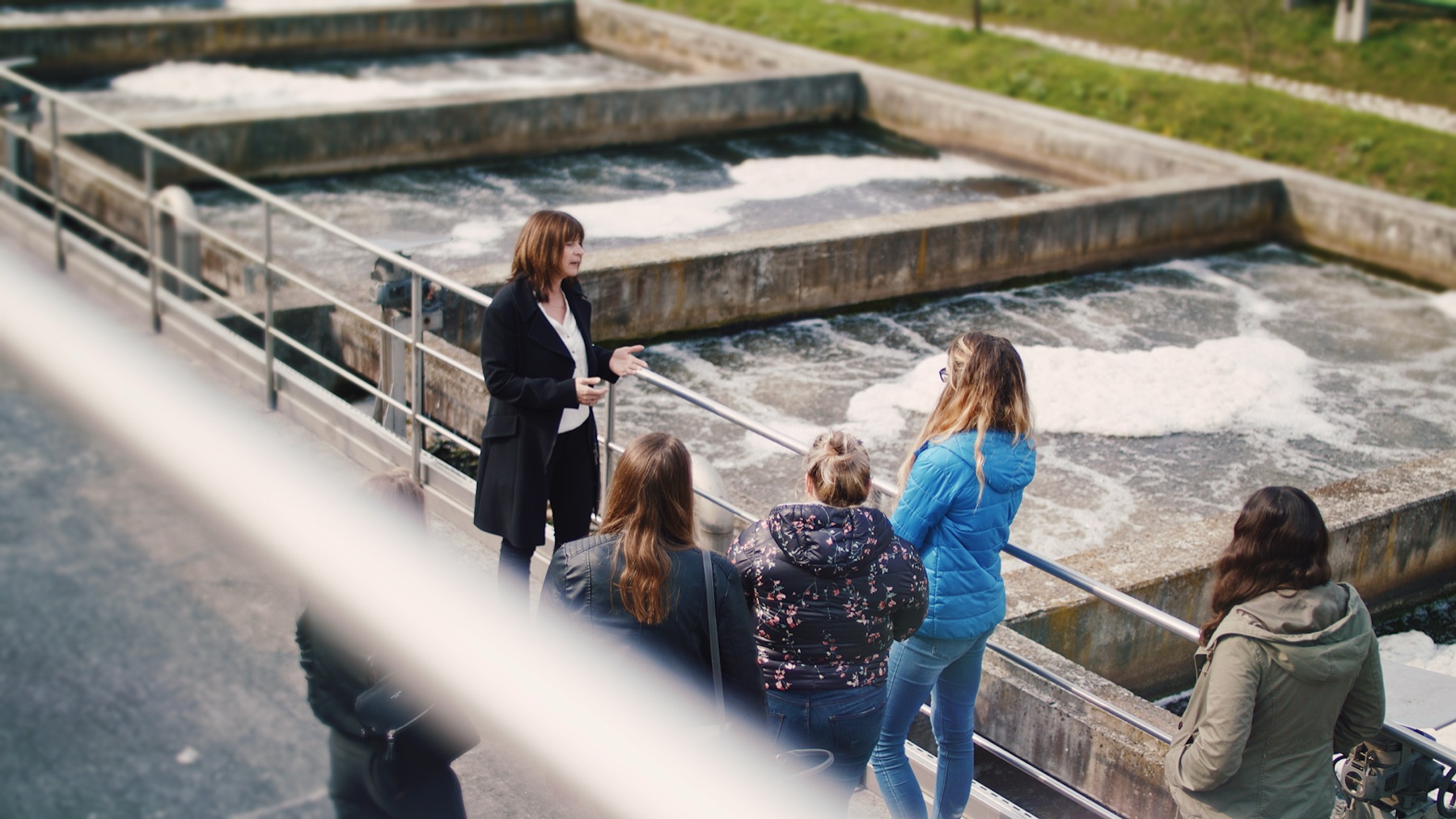
In your third year, you complete 400 hours of practical training with an employer of your choice. In 2024/25, four out of ten surveyed students discussed continuing to work with their placement provider, either through employment or student work.
Undergraduate thesis
Your bachelor’s thesis demonstrates your ability to solve a professional problem independently. Explore previous graduates’ thesis topics for inspiration.
Employment or master’s studies
After graduation, you can start work or continue on the master’s programme in Environmental Protection and Ecotechnologies. Six of the twenty graduates from 2023/24 continued their studies.
What did graduates need to learn on the job?
In an FVO survey, employed graduates identified skills they had needed to acquire independently: passing the occupational health and safety professional examination, public speaking and using AutoCAD. You can develop some of these during your studies through the elective Environmental Risks and Occupational Safety, seminar presentations or support from the Career Centre.
Job vacancies, student work and placements collected by the FVO Career Centre.
Career support
Career Centre and International Office
Lea Komerički Kotnik
Advice on choosing a placement, preparing a CV and finding employment
Last updated: October 2026
Share this page
Study at FVO
Study that sparks change
If you’re interested in the environment, nature, technology and the challenges ahead, FVO is your next step.
Explore study options, practical training and career paths in environmental protection.